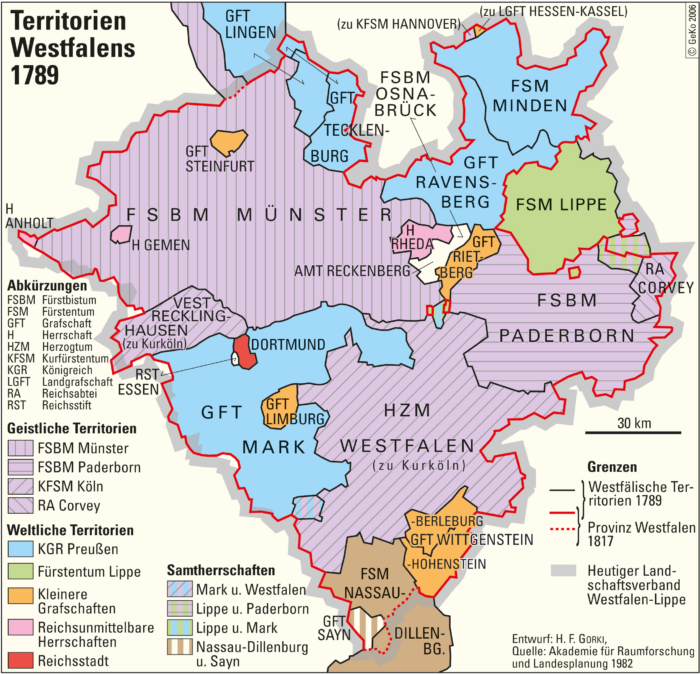
The federal state of North Rhine-Westphalia (NRW) covers an area of 34,100 square kilometers. It consists of two regions: Rhineland in the west and Westphalia-Lippe in the east.
Each part of the state is administered by a regional association. These are the Rhineland Regional Association (Landschaftsverband Rheinland, LVR) and the Westphalia-Lippe Regional Association (Landschaftsverband Westfalen-Lippe, LWL).
The LWL’s area of responsibility covers 63% of North Rhine-Westphalia in terms of area, comprising 18 districts and nine independent cities.
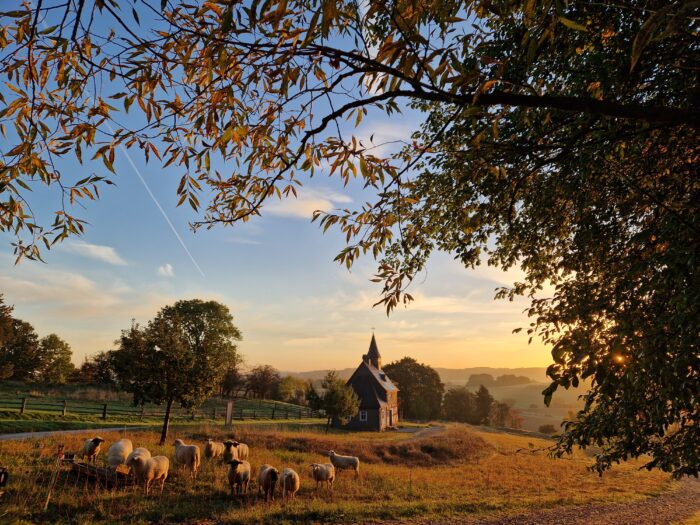
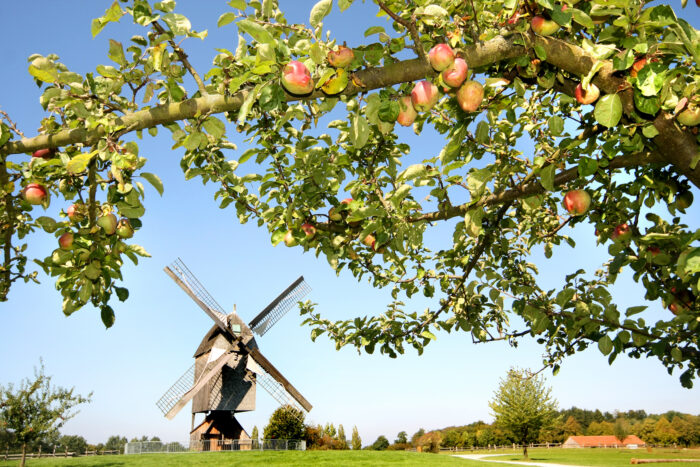
The landscapes of Westphalia have been shaped by humans, as we have been farming them for thousands of years. Agriculture in particular has formed fields, meadows, and pastures. Each farming method has left its mark: soil cultivation and fertilization have shaped heathland, livestock farming gave rise to pastures, and crop cultivation resulted in open farmland. This has created numerous niches and habitats for plants and animals. Humans have contributed to great biodiversity – but with the industrialization of agriculture, this diversity is increasingly under threat.
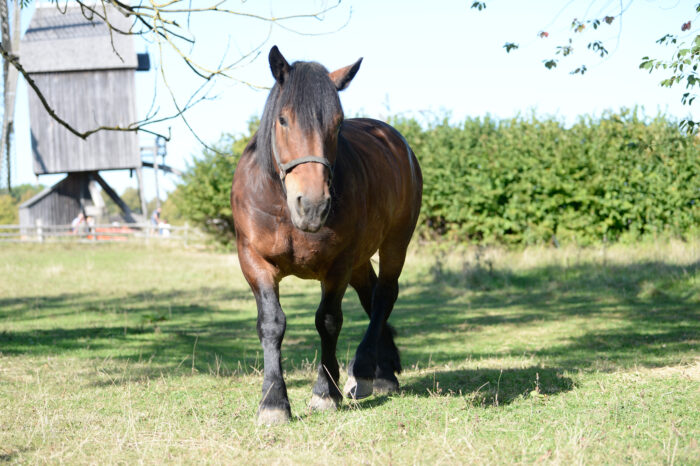
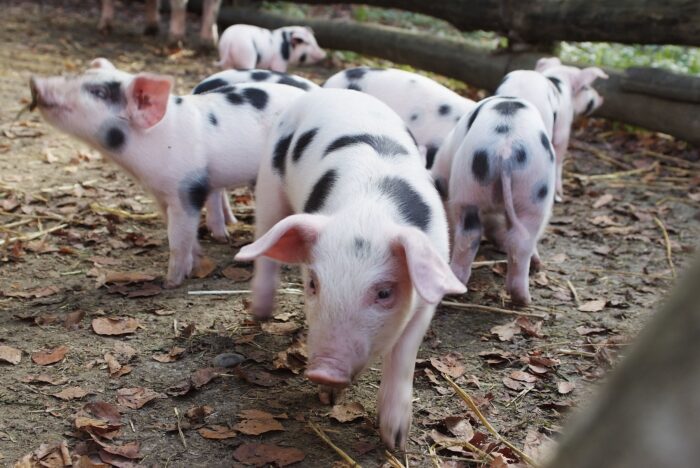
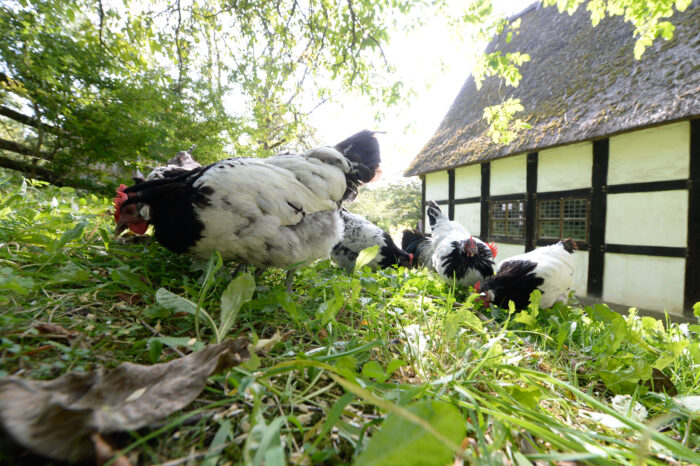
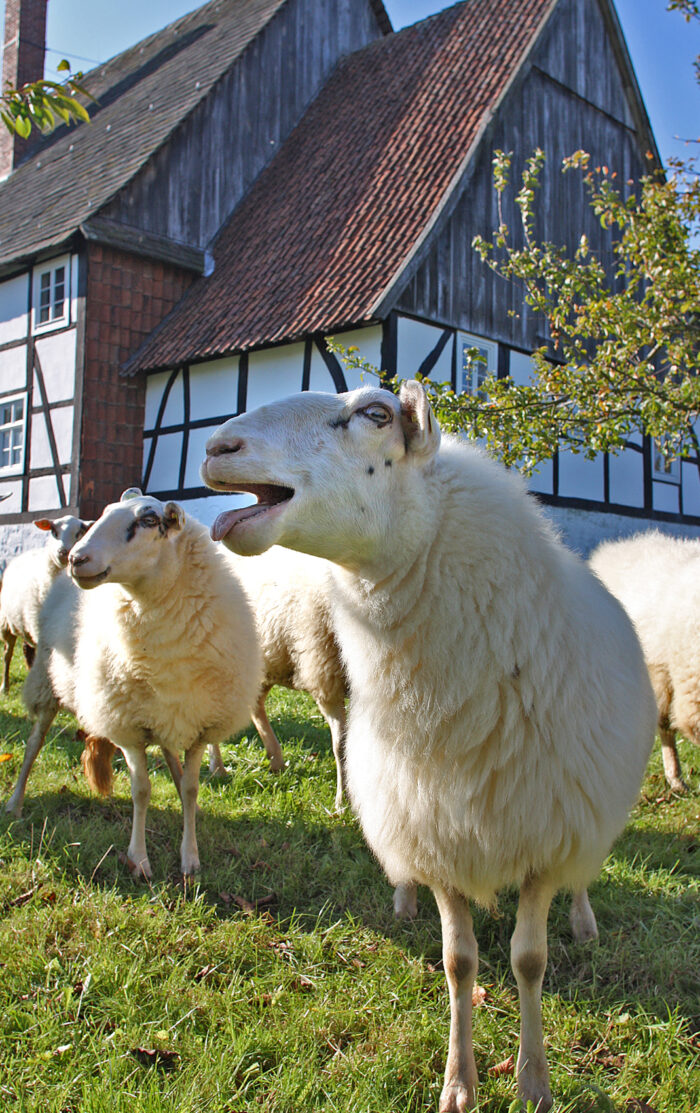
Endangered domestic animal breeds developed over centuries through regional adaptation, selective breeding, and human use. In the past, there was great diversity, but today it has shrunk considerably because modern agriculture relies on a few high-performance breeds. Economic factors such as higher milk or meat yields are displacing old breeds. Protection is important: the old breeds preserve genetic diversity, are robust, adaptable, and part of our cultural history. At the LWL-Museum Hellerlecht, we protect these animals, and thus preserve traditions and sustainable uses at the same time.
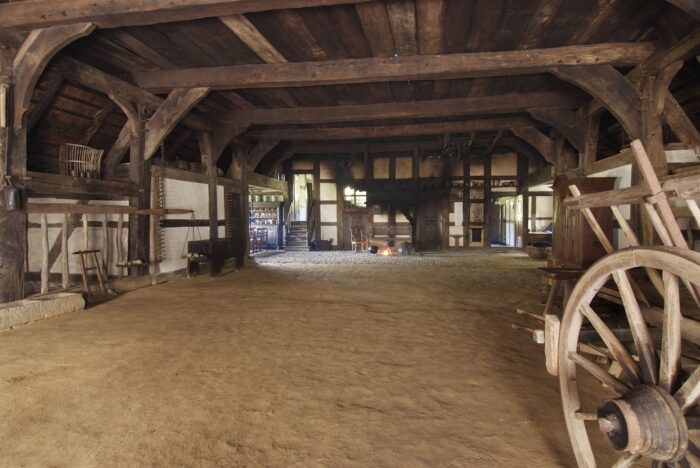
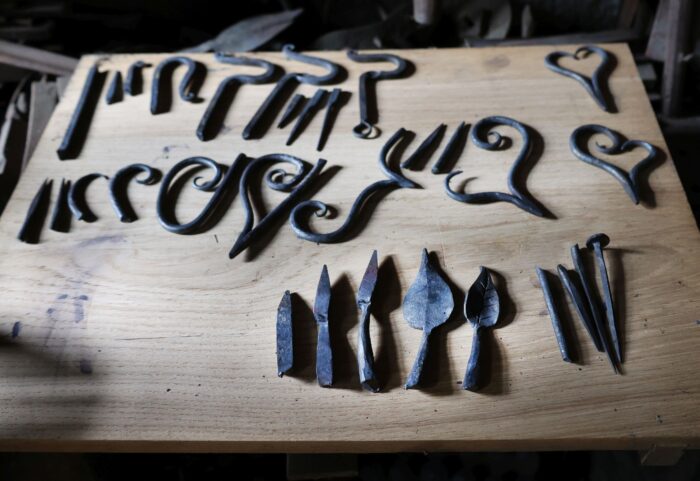
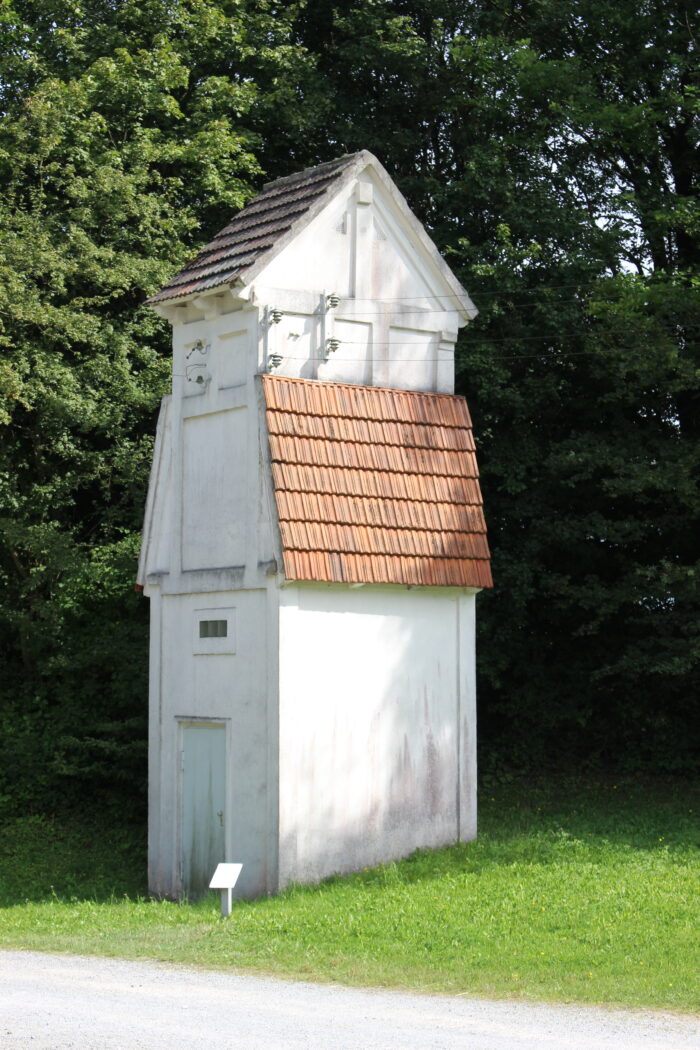
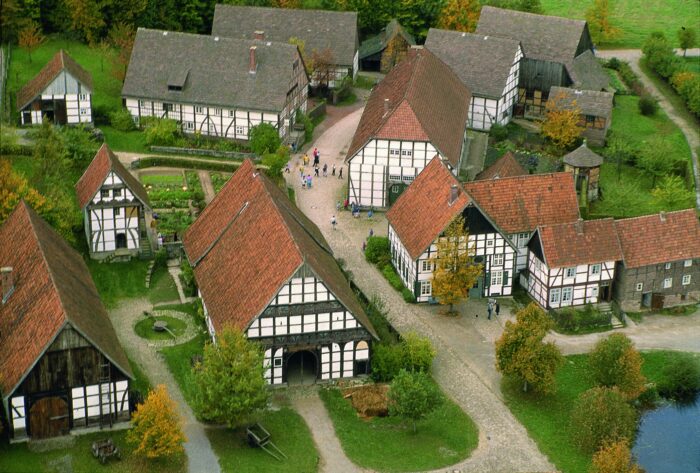
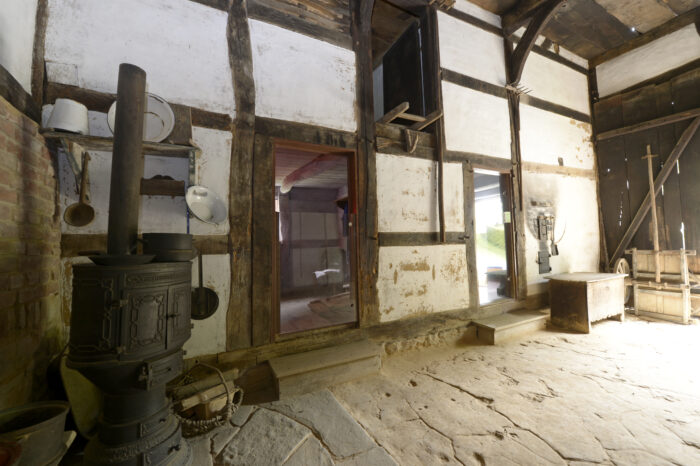
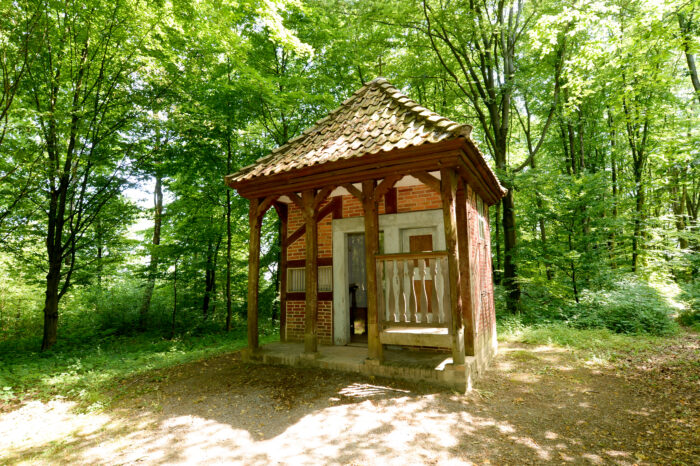
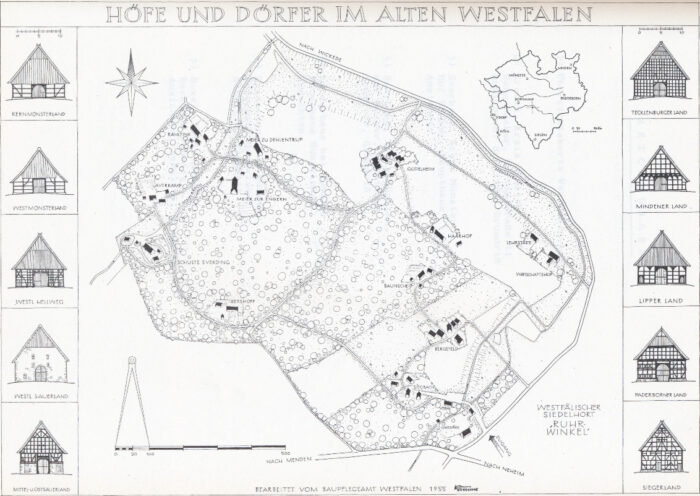
The LWL-Museum Hellerlecht showcases various types of buildings that played an important role in the historical house and settlement landscapes of Westphalia. These building types differ in terms of their use and their social and professional classification. In addition to the large farmsteads, the site also includes small cottages (Kotten) and day laborer houses, which reflect the living conditions of the poorer majority of the population. The tightly clustered layout of the Paderborn village (Paderborner Dorf) clearly reflects the rural social structure around the year 1900. Workshops and commercial enterprises (smithy, bakery) as well as municipal buildings (school, fire stations) complete the settlement picture.
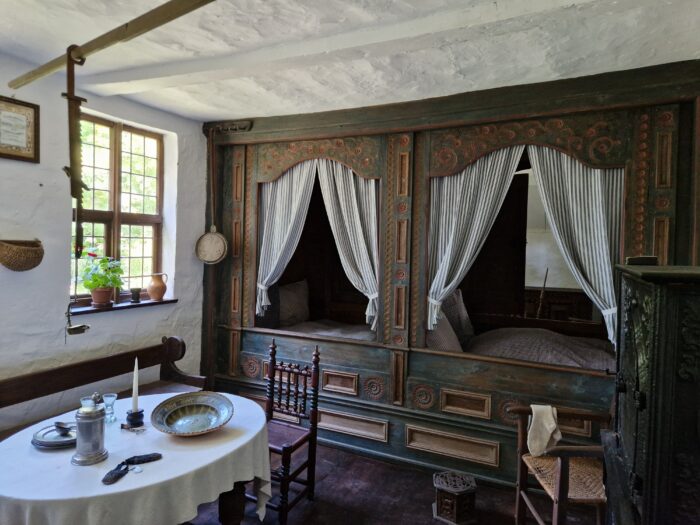
What was everyday life like between 1800 and 1960? Food was limited by region and season, and was largely grown locally and stored for later use. Small shops where people could buy food or household goods were only found in larger villages or nearby towns. Mobility in rural areas was limited for a long time: those who did not own a horse, bicycle, or car had to travel on foot. People usually slept in rooms without heating, often sharing beds with several others. Poverty dominated life. Illnesses could quickly become life-threatening as medical care was limited. Hard, often all-day work shaped most peoples’ lives from childhood onwards: they worked in the house, stable, field, or factory. Religious festivals and holidays offered a welcome break from daily life. Faith shaped the rhythm of the year and gave many people a sense of stability.