

As awareness of the importance of cleanliness in preventing illness spread through schools, popular science books, pharmacies, and the medical profession, everyday life gradually began to transform. During their house calls in rural areas, public health officers demanded that the straw mattresses in beds be changed weekly. Boiling laundry became common practice in households in the 19th century. The first manual washing machines appeared around 1900. Improvements were also made in construction: although it remained common practice for a long time to relieve oneself in the stables among the animal manure, separate toilets appeared in the 18th century.

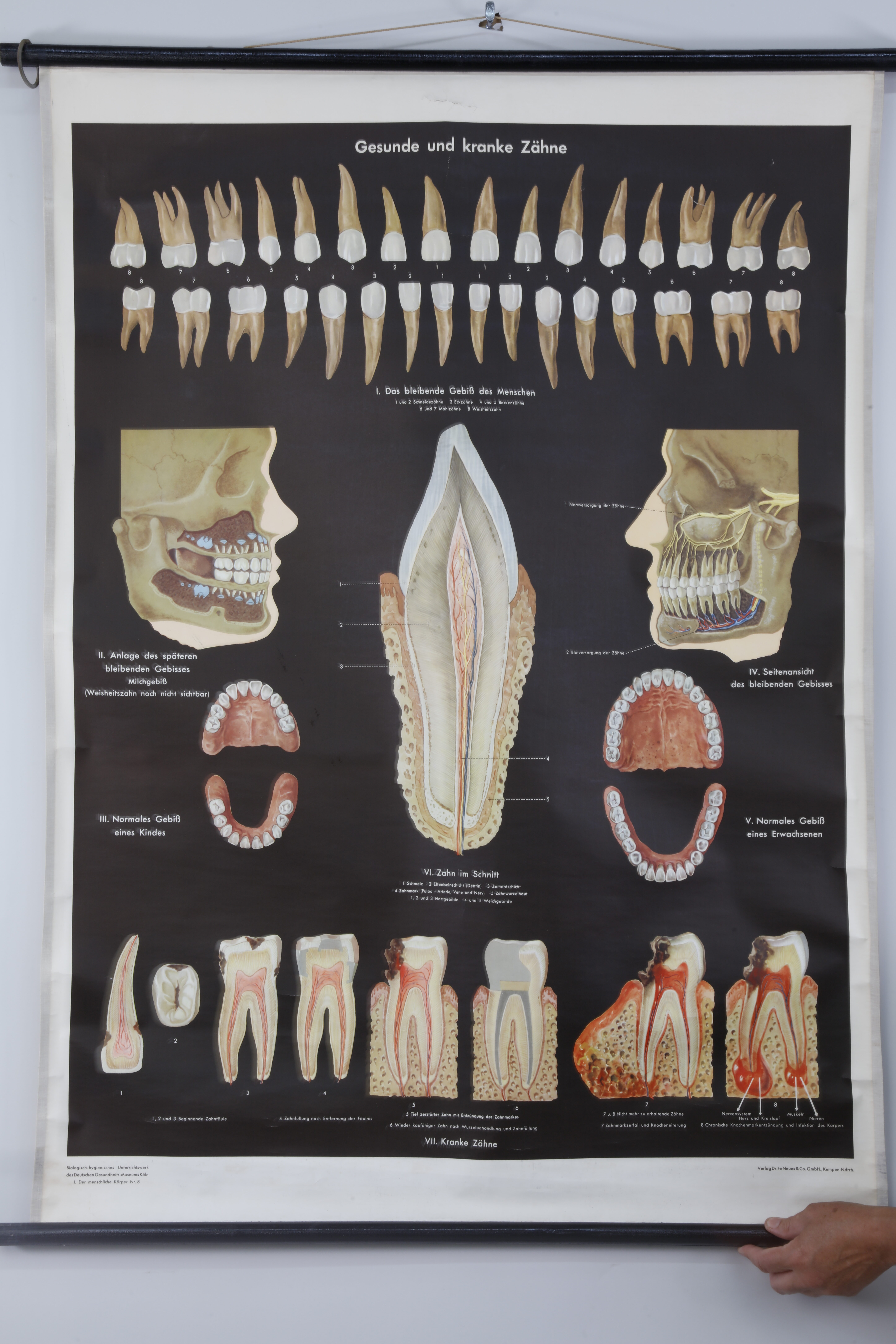
Public bathhouses were very popular until the 16th century. However, personal hygiene declined significantly by the 18th century. It was only in the mid-19th century, with new scientific insights into germs and disease, that personal hygiene practices began to change fundamentally. Sewage systems were introduced in cities, a process that continued in rural communities well into the 20th century. Soap production increased, and schools began encouraging children to wash their hands and brush their teeths regularly.
