The west of Westphalia comprises the flat to gently rolling lowlands of the Westphalian Bay between the Teutoburg Forest and the Dutch border. The core area is the Münsterland region, bordered to the south by the very fertile Hellweg region (northeastern Ruhr area). Arable land, meadows, and pastures are bordered by hedgerows (so called “Knicks”) and alternate with small wooded areas. The farms consist of large Low German hall houses (niederdeutsche Hallenhäuser) and outbuildings. They are located individually or in “Drubbeln” (loose group settlements).



Eastern Westphalia encompasses the western Weserbergland and Eggegebirge mountains, the sparsely populated Paderborn plateau, and the flat areas around Brakel and Warburg. The predominant form of settlement in this region is the large, compact clustered village, as represented by the Paderborn village (Paderborner Dorf) in the museum. The Delbrück region between the upper reaches of the Ems and Lippe rivers, with its scattered settlements, forms the transition to the Münsterland region.



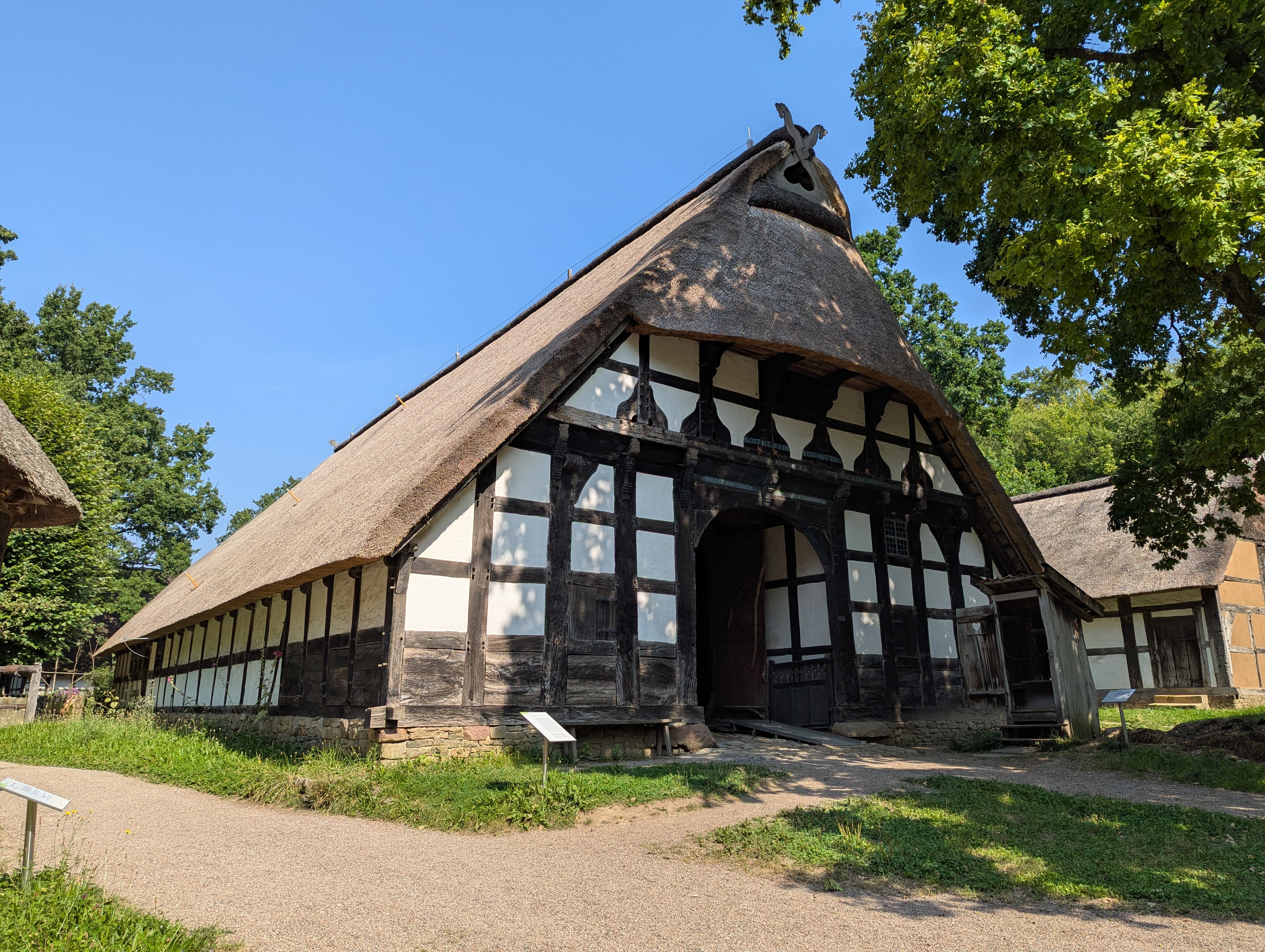

The old prince-bishoprics of Osnabrück and Minden, as well as the former counties of Tecklenburg, Ravensberg, and Lippe, are located in northern Westphalia. The landscape is divided into the Teutoburg Forest and Wiehengebirge mountains and the adjoining hilly country that transitions into the North German Plain. The Low German hall house (niederdeutsches Hallenhaus) is particularly characteristic of these regions and can be found in monumental examples. In keeping with the predominant form of settlement, the north of Westphalia is represented in the museum by a loose group of several farmsteads and a few small cottages, so called “Kotten”.




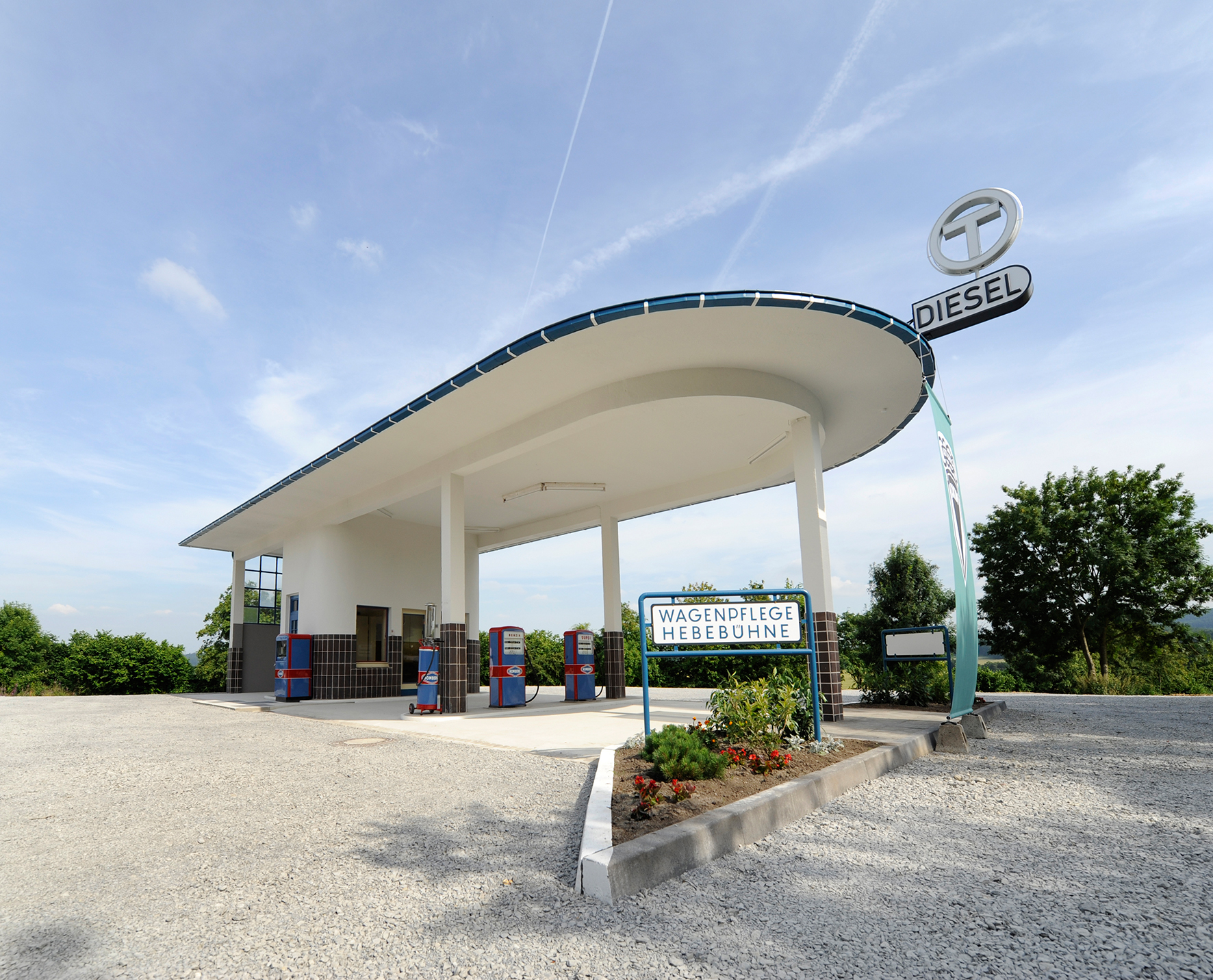
The southern part of Westphalia is logically located in the southern part of the museum grounds. The landscape is characterized by wooded low mountain ranges (eastern part of the Rhenish Slate Mountains) and is divided into the western (Markish) and eastern (Cologne) Sauerland regions. South of the Rothaar Mountains lie the Siegerland and Wittgenstein regions. Isolated farms, hamlets, and small villages in valley locations characterize the settlement pattern. In the museum, the south of Westphalia is represented by two building groups: the Sauerland village (Sauerländer Dorf) and Siegerland hamlet (Siegerländer Weiler).