
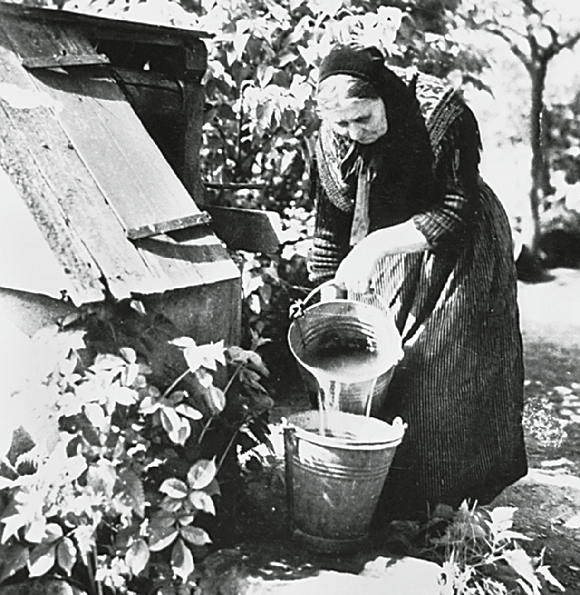
The fountain from Barkhof near Schieder dates back to the 13th or 14th century, making it the oldest structure in the museum. The well house, on the other hand, dates back to the 19th century. Until around 1950, fresh water was only available from the well. Fetching water with a bucket was hard work and usually the task of women. Water was needed in the household for drinking, cooking, personal hygiene, cleaning, and washing clothes. Water also had to be carried in large quantities in buckets to supply the animals.


Baking used to be a dangerous activity, as fires could quickly break out. That is why bakehouses were built separately from residential buildings. Bread and cakes were baked, and fruit was dried using the residual heat. In the Westmünsterland region, many bakehouses were used not only for baking bread, but also for brewing beer. The home-brewed, low-alcohol beer was drunk during and after field work.



For centuries, anyone who wanted to eat something sweet or sweeten certain foods had to resort to honey. This only changed with the spread of inexpensive, industrially produced beet sugar from around 1870 onwards. Today, we recognize the importance of bees and beekeeping beyond sweetening food: they are a central part of our ecosystem and ensure agricultural yields through pollination.
