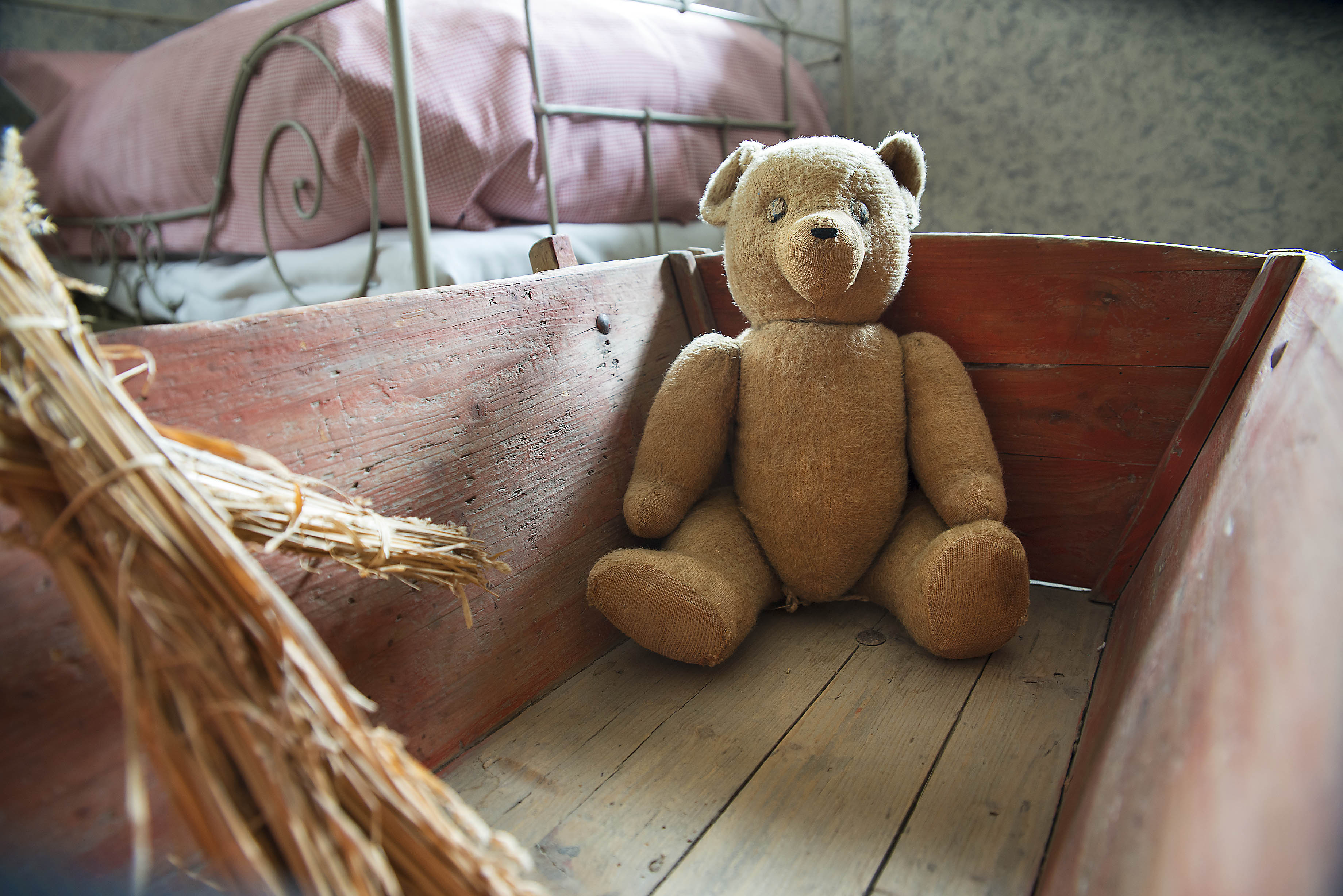
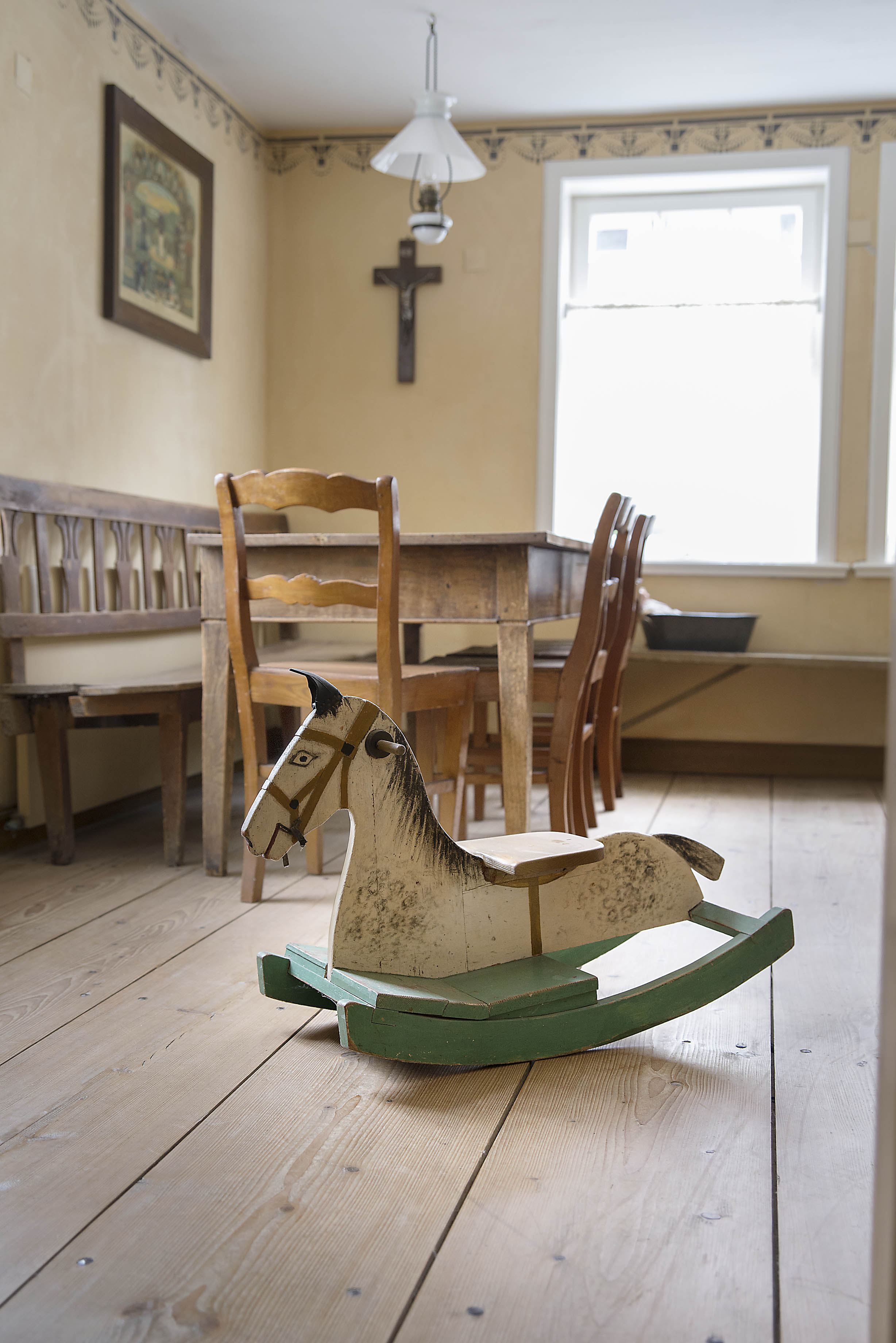
For centuries, child labor was a normal part of everyday life in Westphalia. Even in the 19th century, children as young as six worked in factories and workshops. In agriculture, they helped out on their family’s farm or, from the age of eight or nine, worked as farmhands or maids on other farms. Toys were rare and mostly reserved for children from well-off families. Only very young children or those on breaks had any time to play. It was not until 1903 that the Child Protection Act prohibited the employment of children under the age of 12 in commerce and those under the age of 14 in industry and trade. There were still no general legal requirements for child labor in agriculture and forestry.


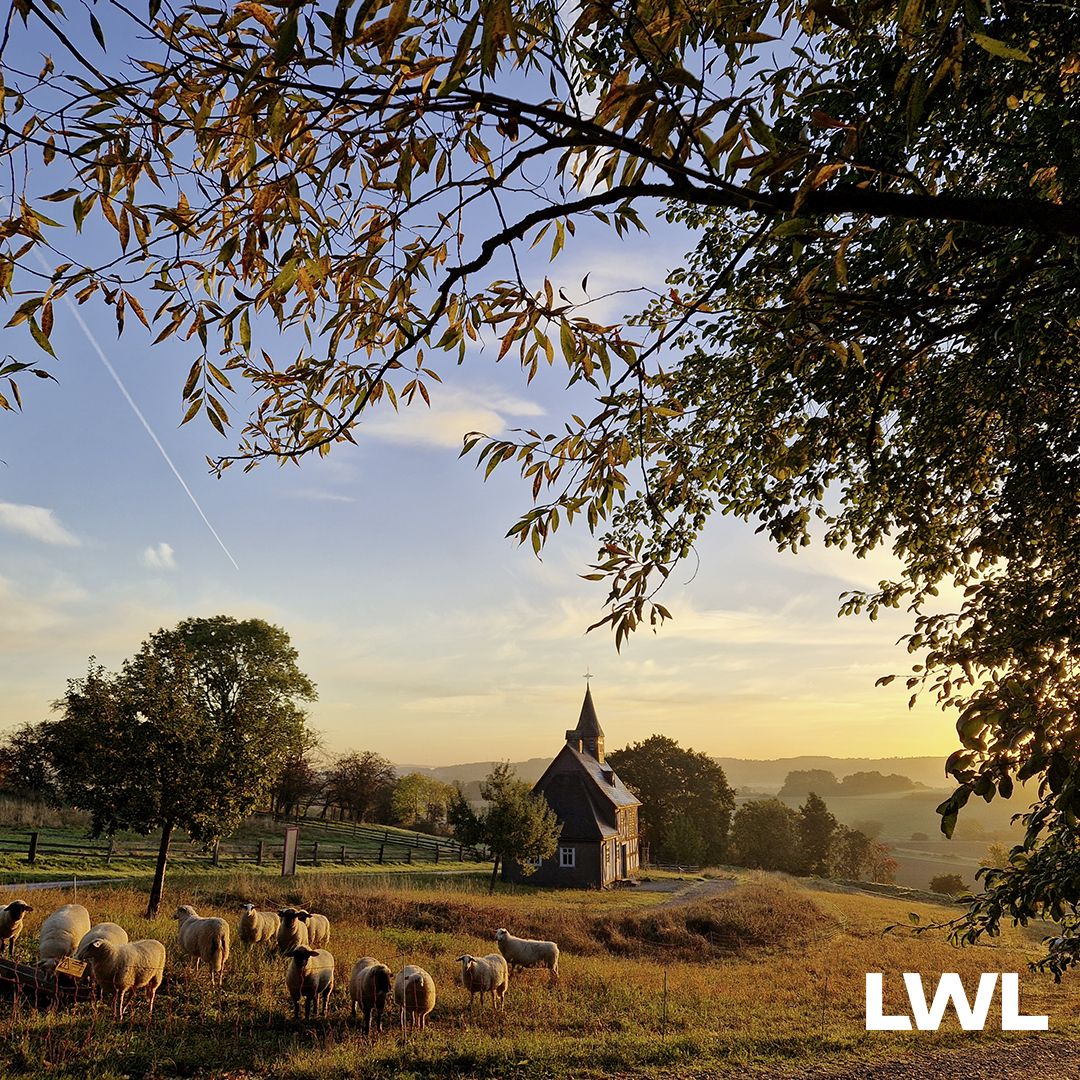
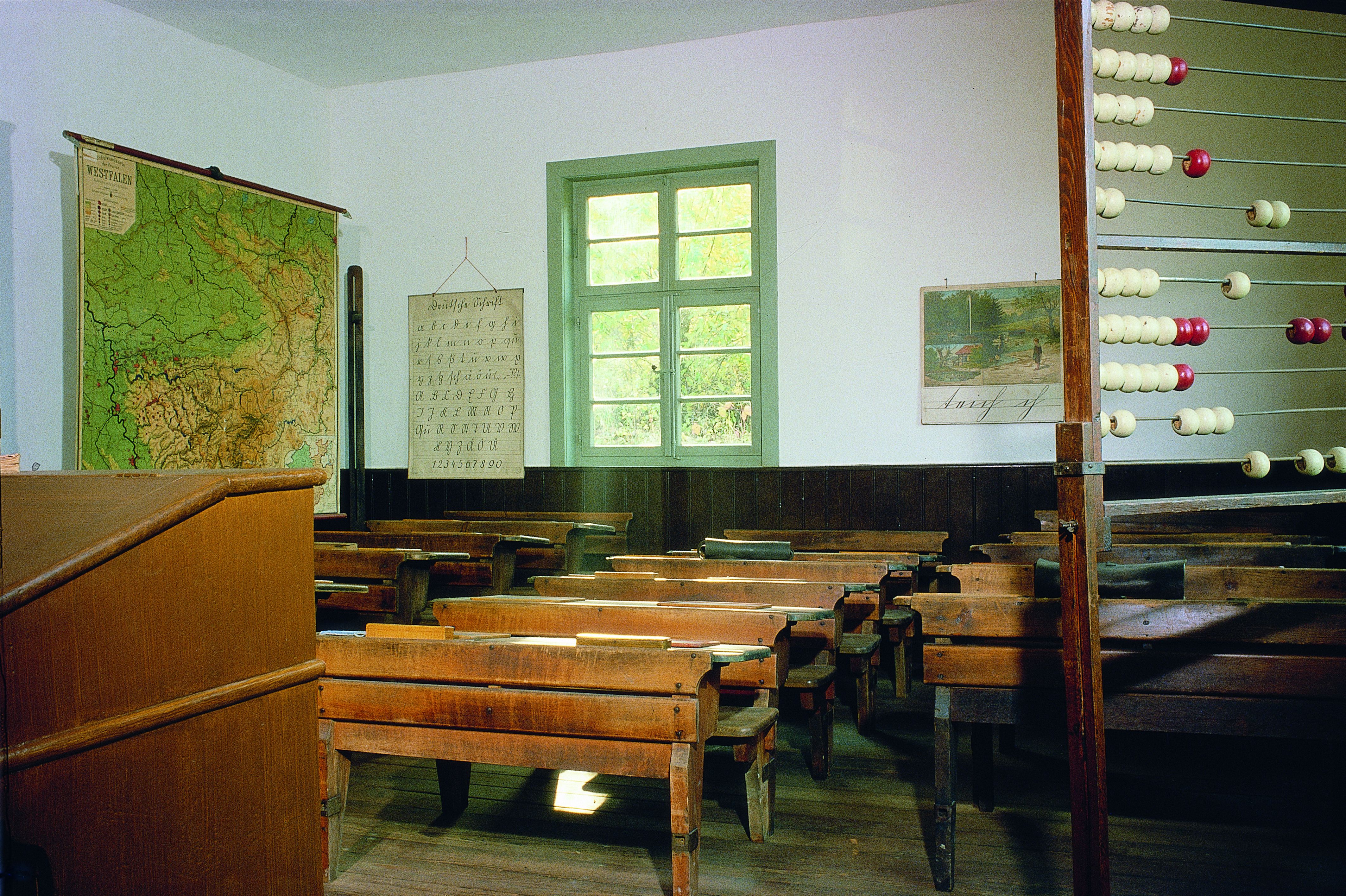
In the 19th century, the idea of universal school education was so widespread that schools were built according to a standard floor plan. This was also the case for the school from the village of Thöningsen, which can now be seen in the LWL-Museum Hellerlecht.
One teacher taught up to 40 children in such a “Zwergschule,” (literally meaning “dwarf school”). It was common for several age groups to sit together in one classroom.
Despite compulsory schooling, many children did not attend classes regularly at first: they had to help their parents with farming or herd cattle. Long distances and poor weather conditions often made schools in rural areas difficult to reach.
So-called chapel schools (Kapellenschulen) bear witness to the influence of the churches on school education.


In earlier centuries, the family into which a child was born also had a considerable influence on their childhood: poor or rich, socially well-off or living on the margins of society.
The furnishings of the Gräftenhof Schulte-Bisping provide an example of a rural upper-class family with children. If you go upstairs to the chamber of the house, you will see the couple’s bedroom to the left of the hall. Next to a typical 18th-century canopy bed stands a cradle with a christening gown. Even the bedrooms in the basement of the farmhouse and the large fireplace were considered luxurious living conditions at that time. The children slept warmer, were better nourished, and often healthier.

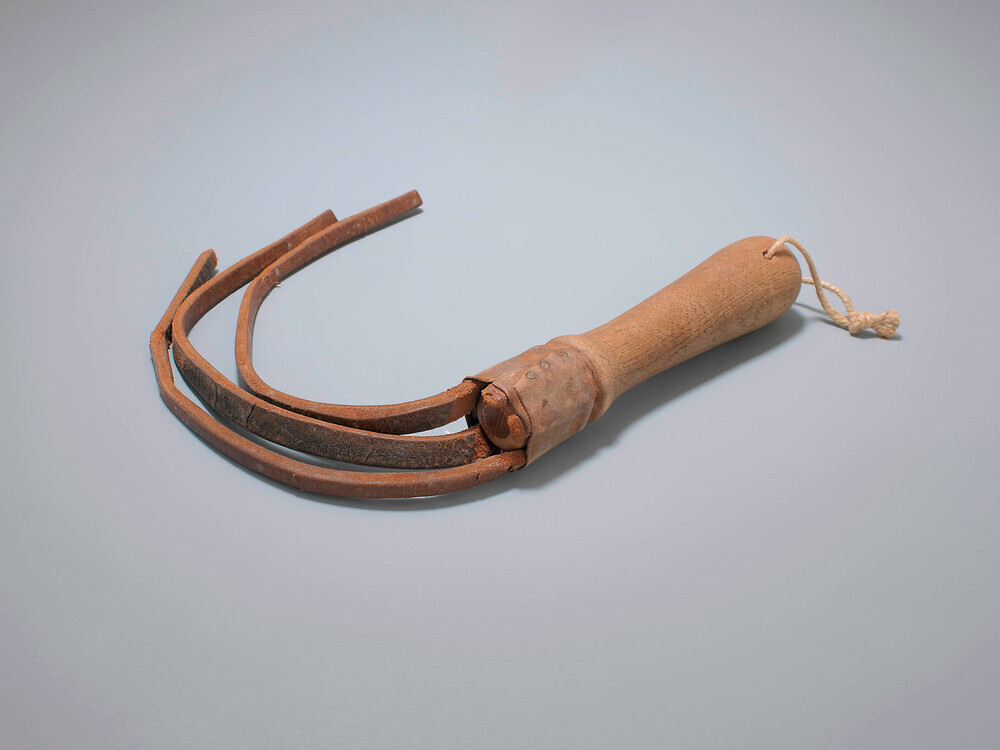

For centuries, child labor was a normal part of everyday life in Westphalia. Even in the 19th century, children as young as six worked in factories and workshops. In agriculture, they helped out on their family’s farm or, from the age of eight or nine, worked as farmhands or maids on other farms. At that time, the term “family” still included parents and children, possibly grandparents, unmarried relatives living in the house, uncles, aunts, and siblings. Farmhands and maids employed on the farm were also part of the family. The topic of education was just as important as it is today, but it was understood differently: Physical discipline was generally considered necessary in the family, at school, and in training.