Museum collection

The Hellerlecht Museum’s collection is like a walk-through journey back in time. We collect old houses and rebuild them. Here you’ll find a blacksmith’s shop, three mills, and many other houses. There are also gardens, meadows, and fields with animals that used to live on farms.
We also collect everyday objects such as furniture, toys, and clothing. These are our artifacts. We collect them so that we can all learn about the past and understand how people used to live. This helps preserve these interesting and rare items.
You can see some of our artifacts in the photo gallery.
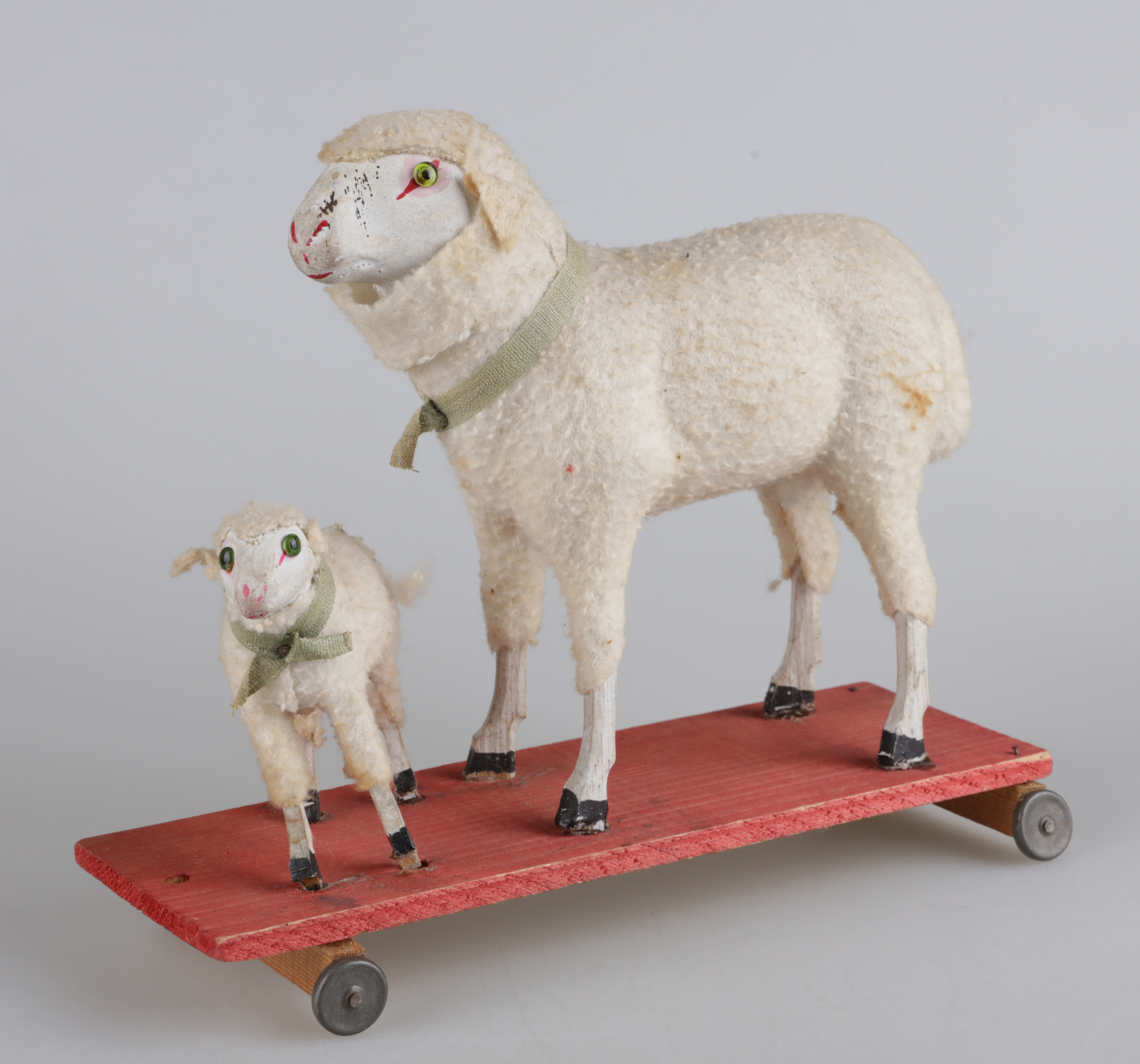
Inv. No. 2024:348 Our items have inventory numbers (Inv. No.). They serve as a name tag and address for each item.
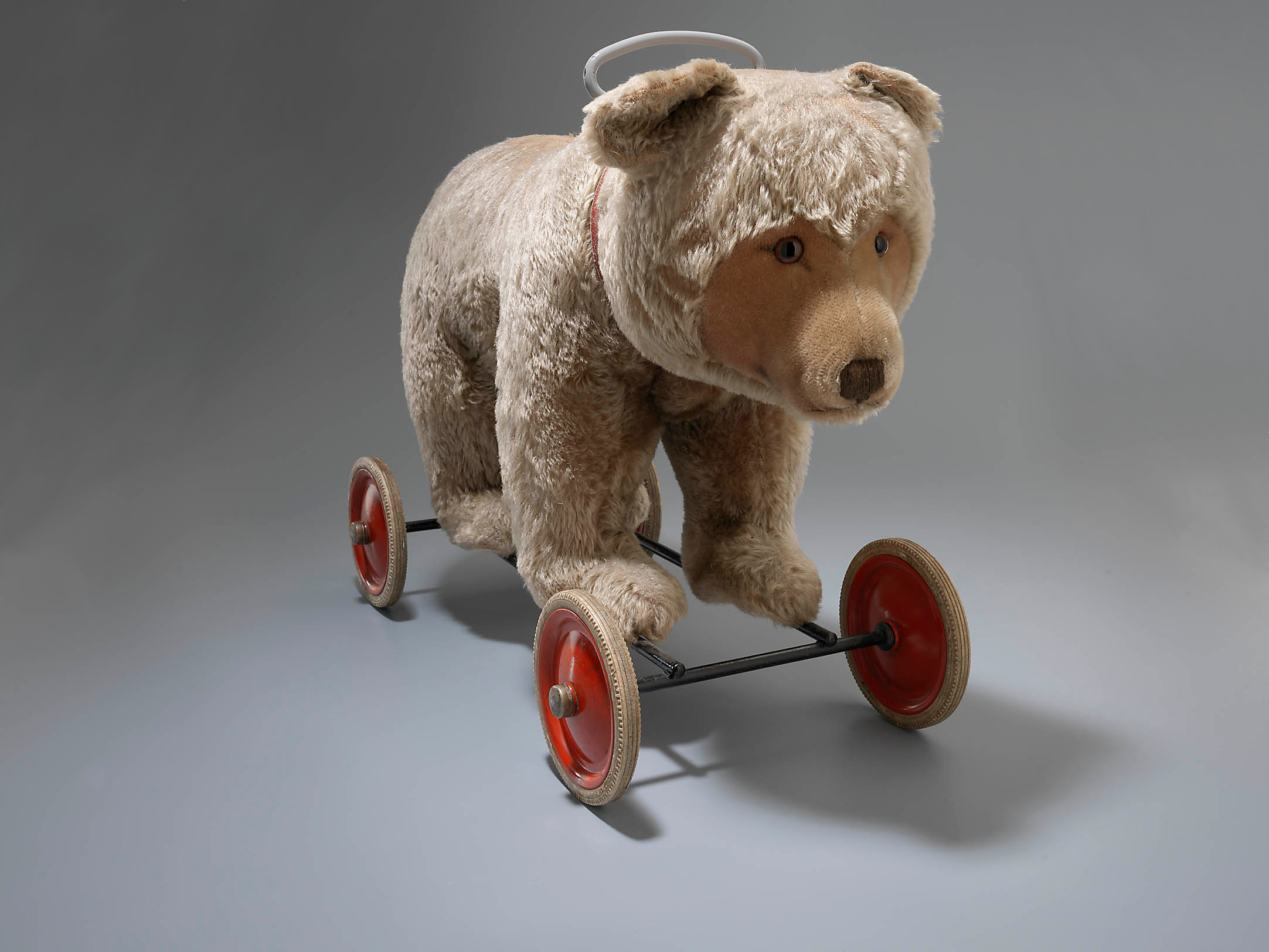
Inv. No. 2011:259 The museum’s collection contains over 300,000 objects. Only a few of them are on display in the buildings on the open-air grounds. Most are stored in the museum’s depot. We will soon be able to showcase many of them in the special exhibitions held in this building.
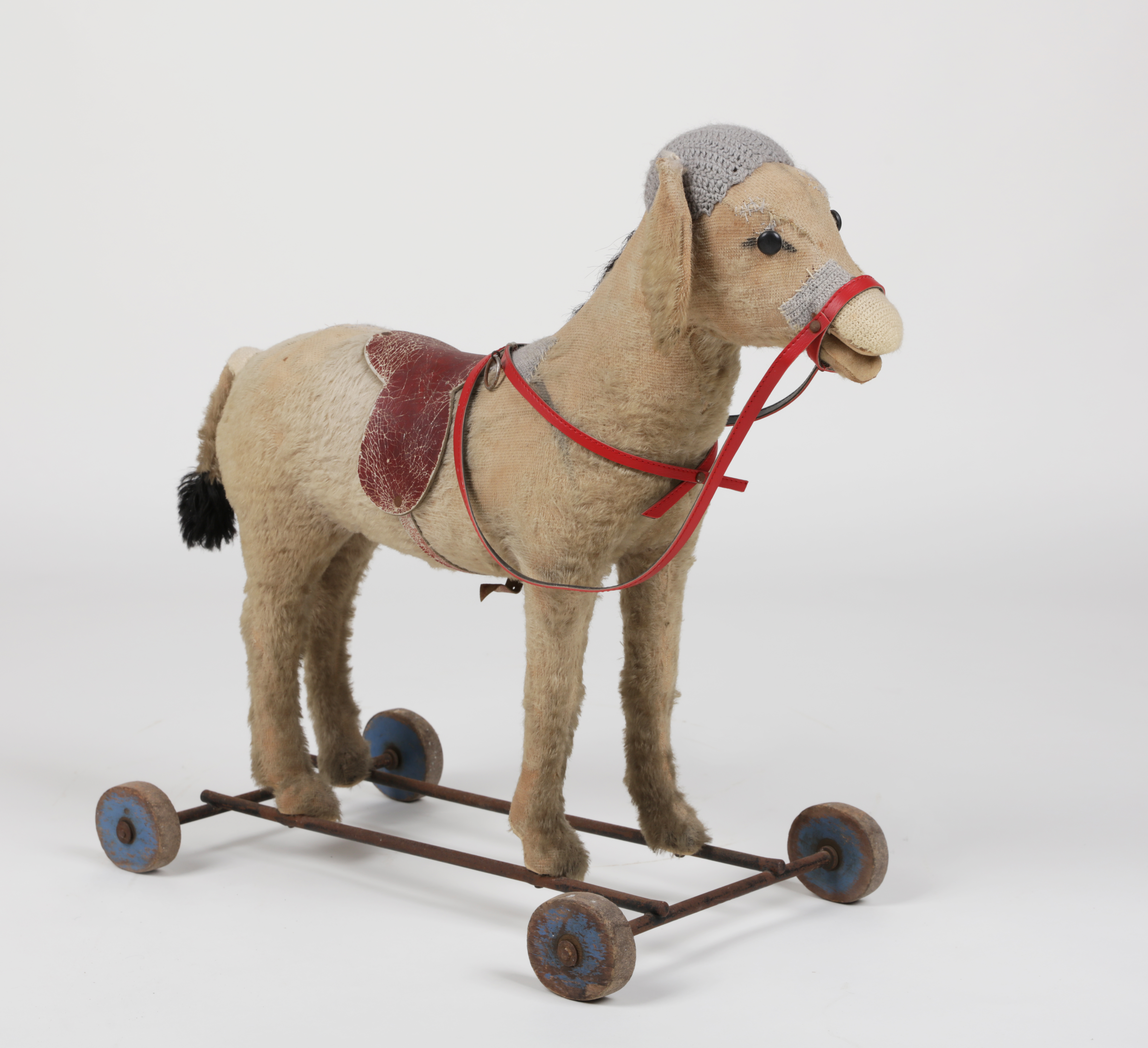
Inv. No. 2024:2 Do you recognize this pull-along toy? You can find the same toy here in the mill workshop. The toy is almost 100 years old. It has been repaired many times. The objects are stored, preserved, and studied in the museum’s storage facility.
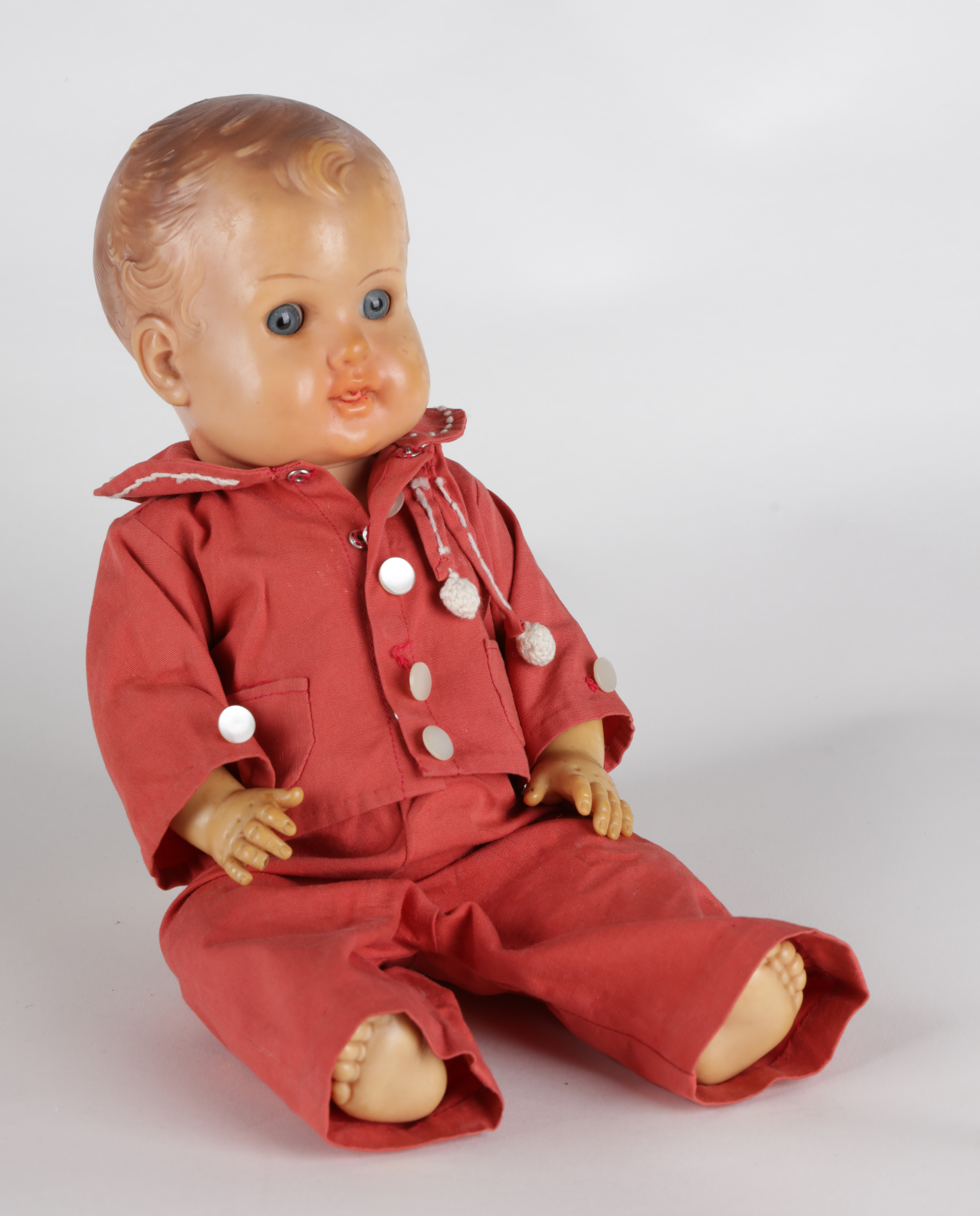
Inv. No. 2024:136 Do you have a doll? This one is made of soft plastic and has movable arms and legs. What does yours look like? What makes it different?

Inv. No. 2024:70 This is what school desks used to look like. Why don't you ask Grandma, Grandpa, Dad, or Mom what their classroom was like?
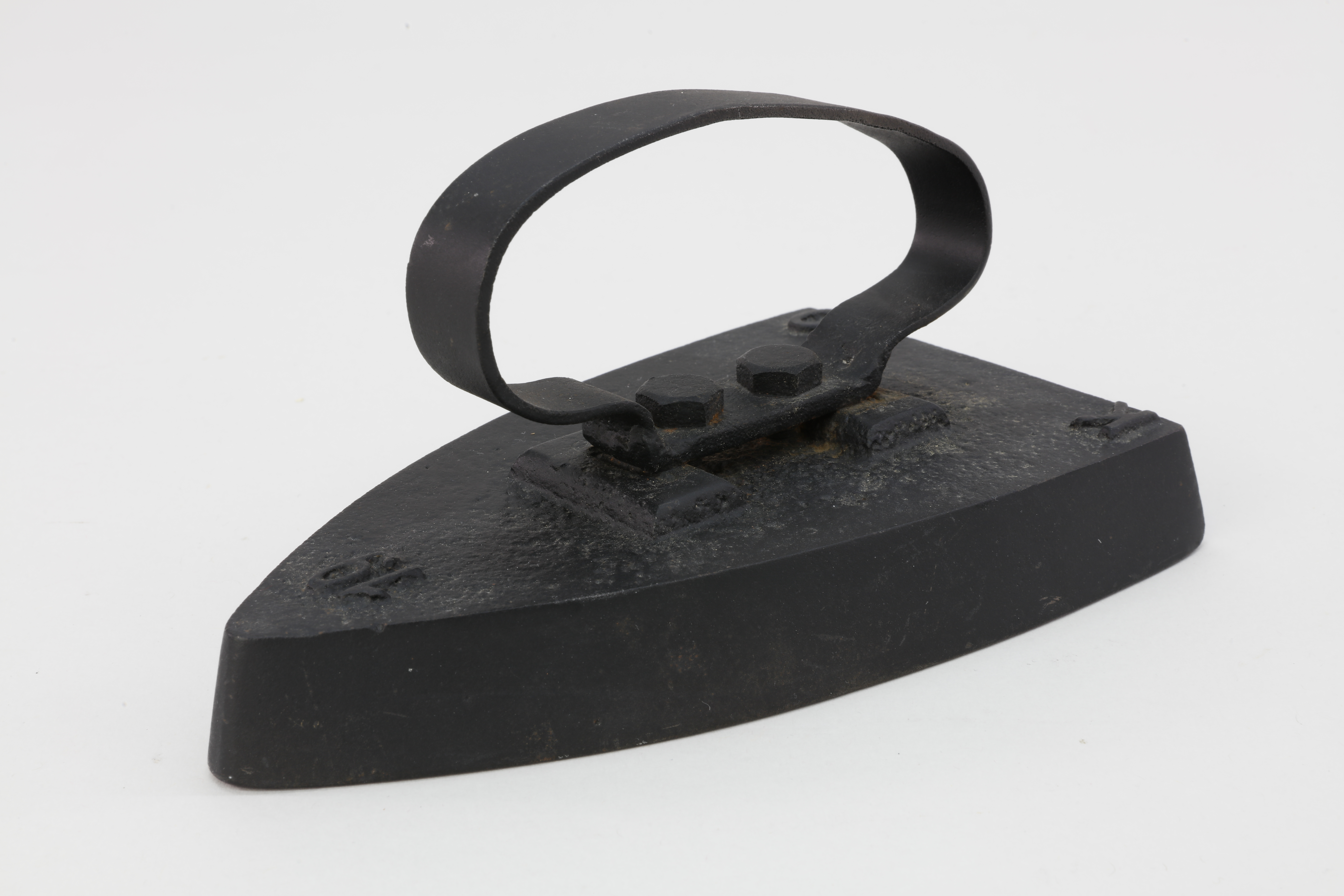
Inv. No. 2022:177 There are often several of the same items in the collection. Did you spot another iron in the mill workshop? You’ll also find irons in the houses on the open-air museum grounds. Why not go look for them?
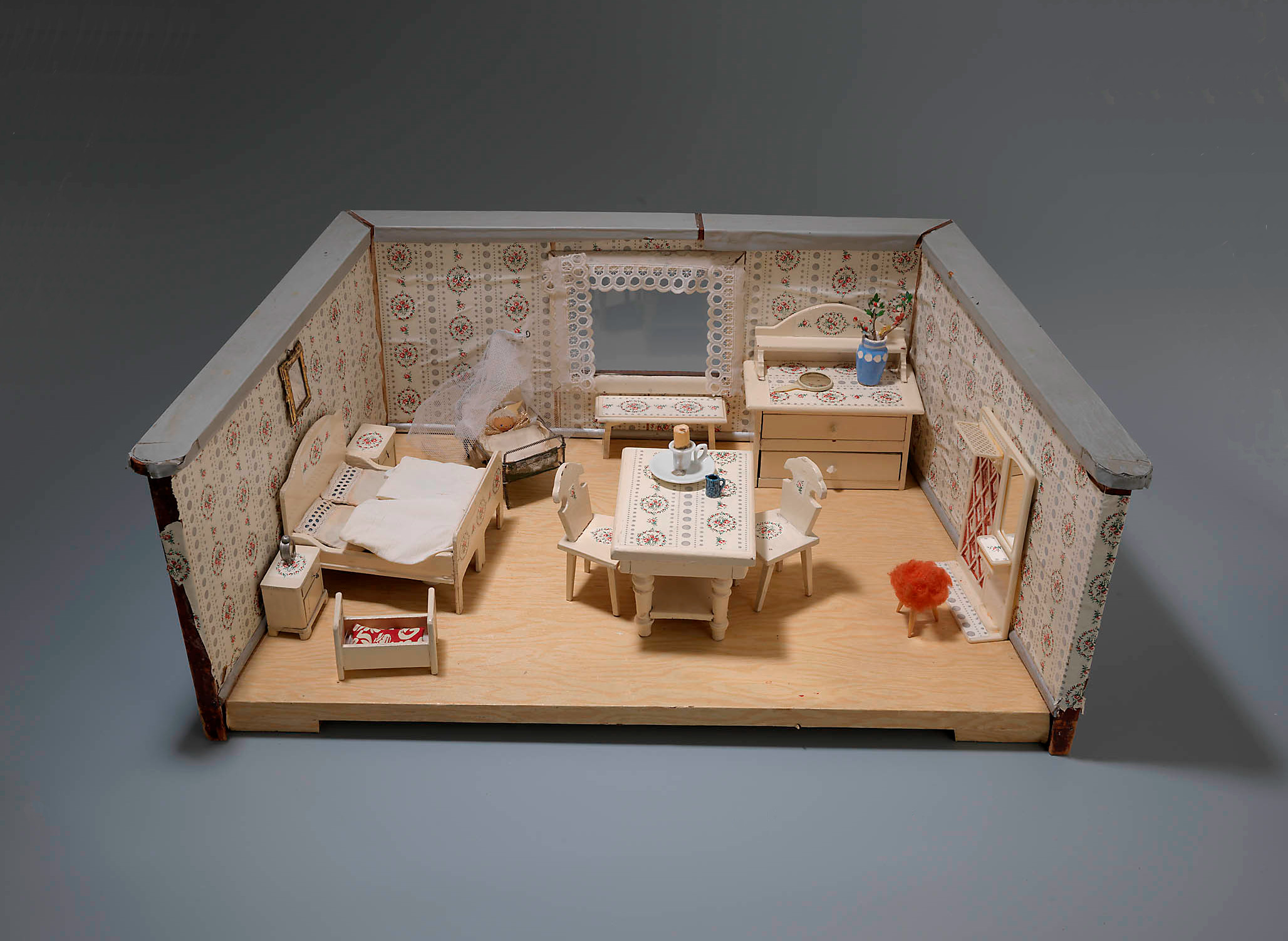
Inv. No. 2017:9 This dollhouse is almost 100 years old. It has been redecorated over the years to keep up with changing trends: it now features decorative wallpaper and updated furniture.
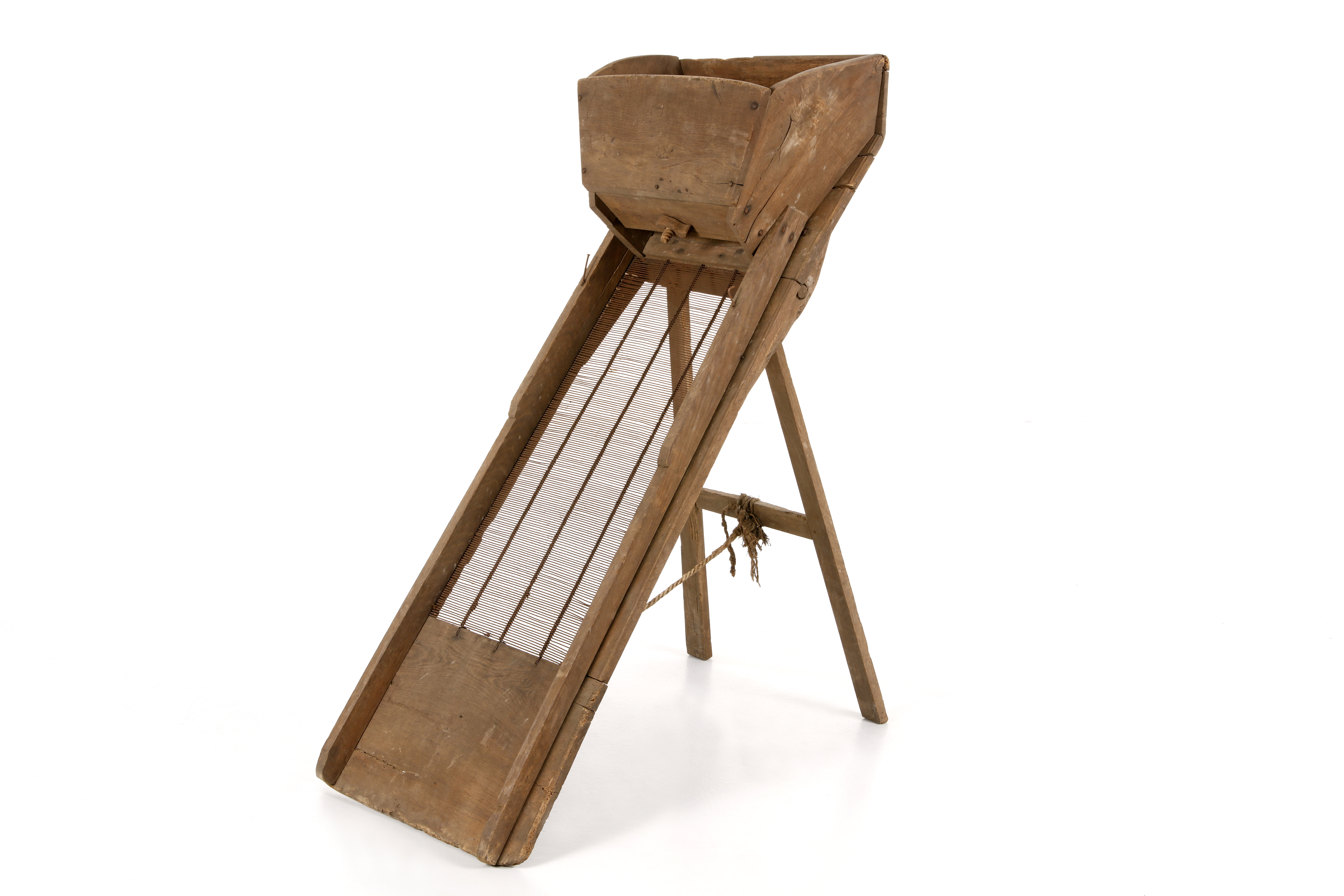
Inv. No. 1979:1523 To use the grain for baking bread, it first had to be separated from plant debris (chaff). Simple hand sieves were used for this purpose. Grain sieves or grain harps represent a technical advancement.
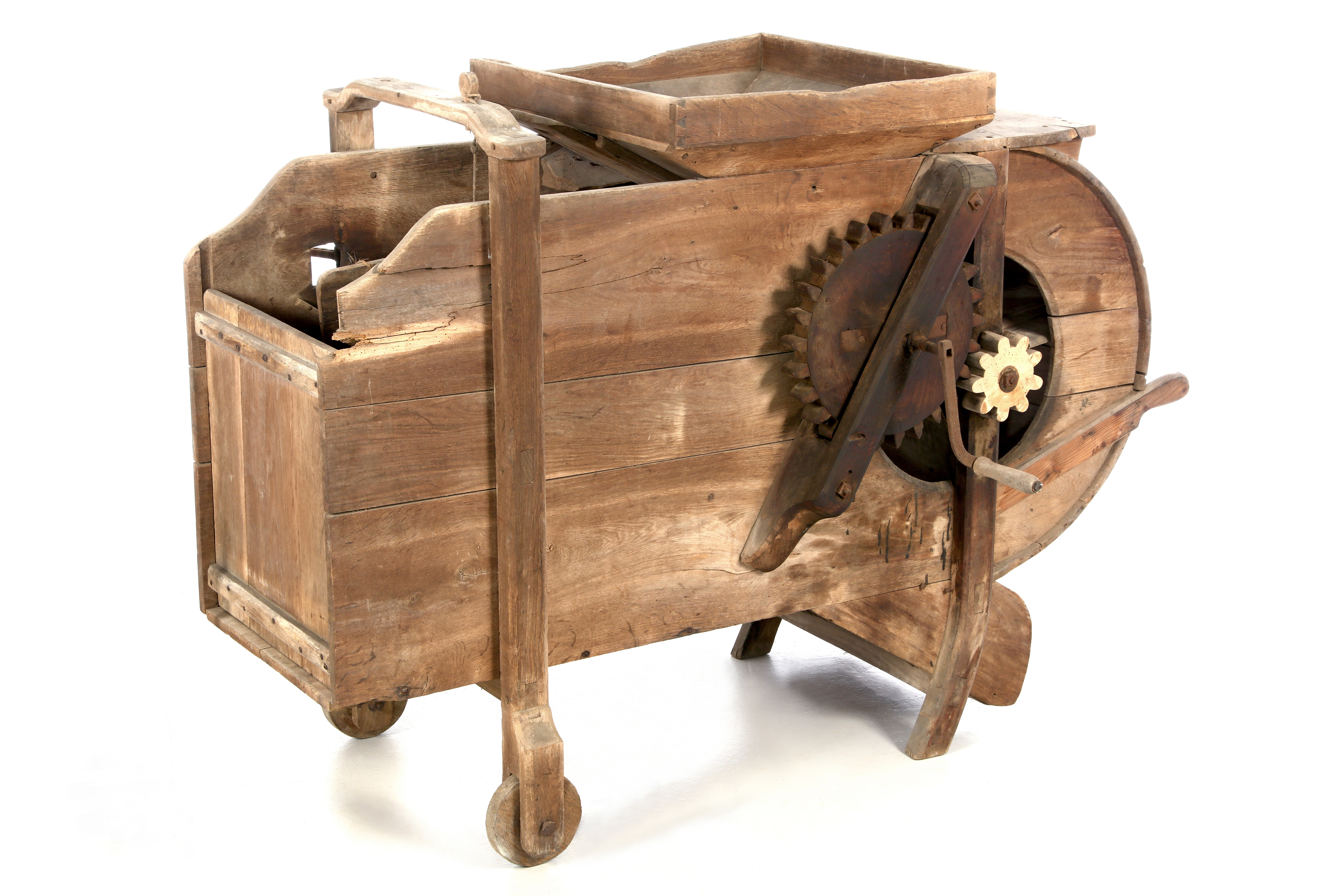
Inv. No. 1961:459 This is a wind sifter. It replaced grain sieves in the 19th century. The threshed grain was poured into the funnel at the top. The chaff was separated from the grains by sieve plates, movement, and wind. The grains fell out at the bottom.
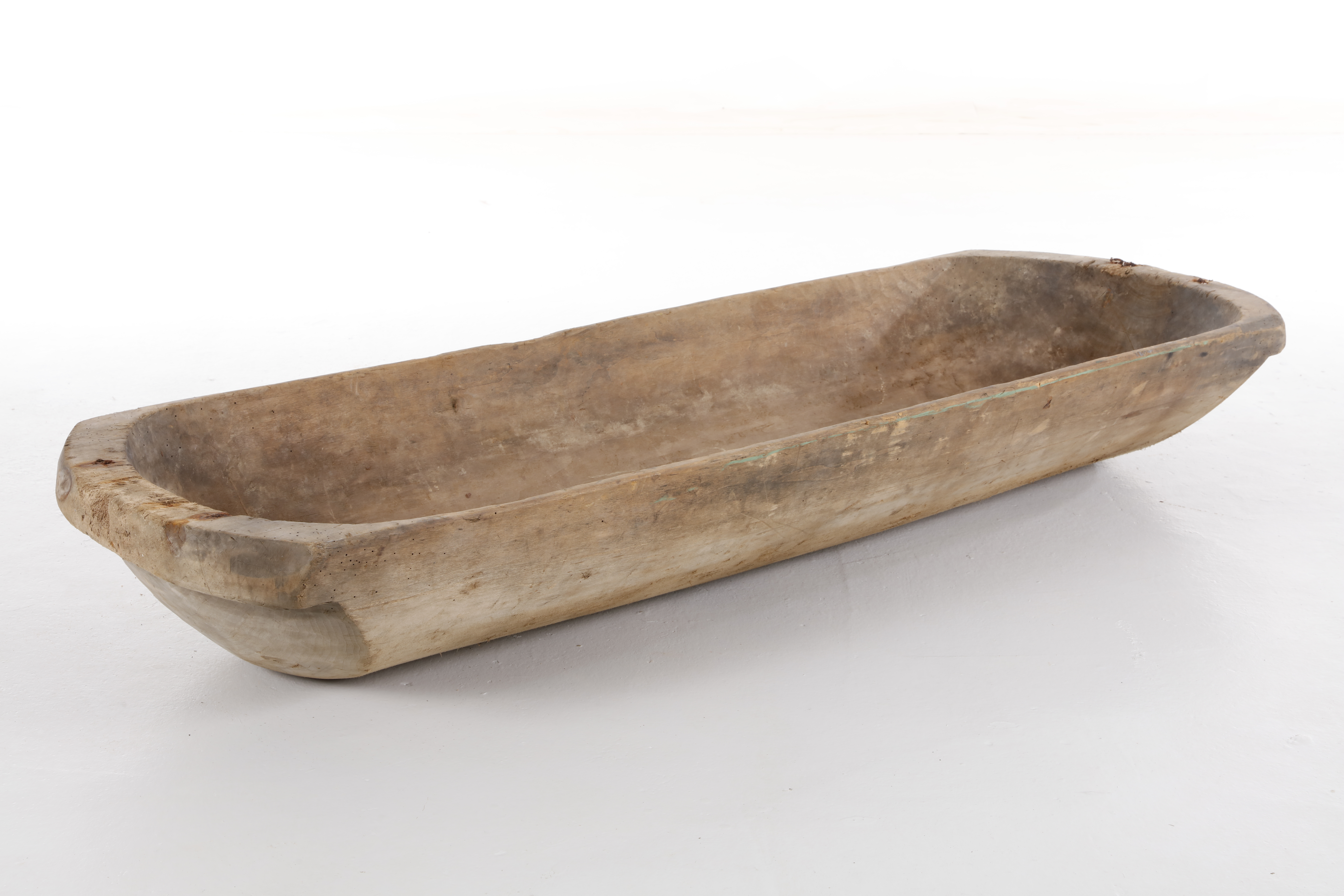
Inv. No. 2004:180 The dough was prepared for baking in these troughs or kneading troughs (also known as dough troughs, dough tubs, kneading troughs, or baking troughs).
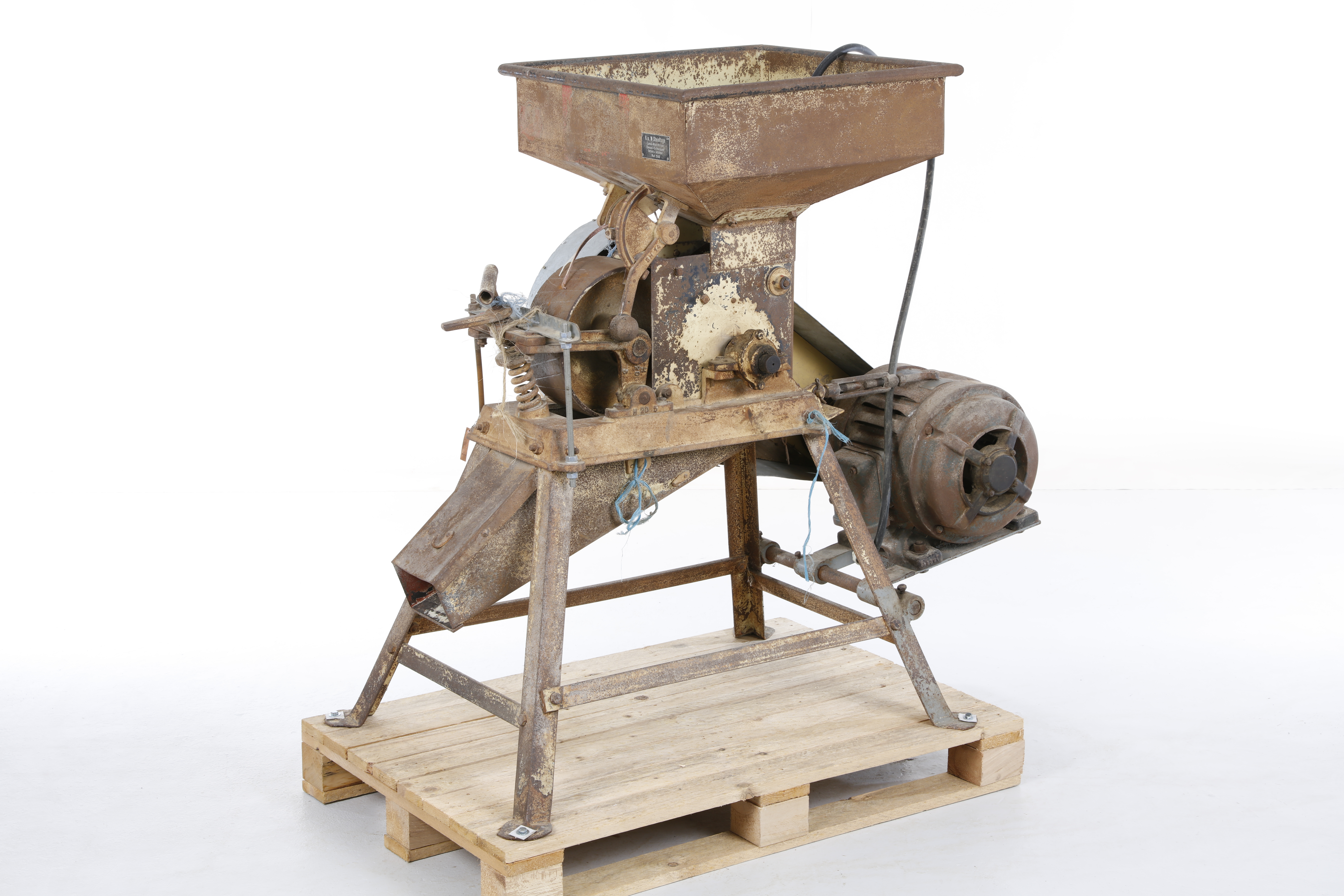
Inv. No. 2019:120 This is a motorized grain mill. It was used to grind grains into meal to feed farm animals. When ground, cows can digest it more easily.