Diversity

The Hellerlecht Museum’s open-air grounds cover 92 hectares—roughly the size of 130 soccer fields. Here, we showcase houses set within a cultural landscape that has been shaped by people over time. You’ll see fields, pastures with animals like cows and horses, trees, hedges, gardens, forests, houses, and paths—all of which are part of the cultural landscape.
We preserve old varieties of various useful and ornamental plants on the open-air grounds. We also promote rare wild plants through the way the grounds are managed.
Discover some of them in the photo gallery. Why is diversity important?

Westphalian Black Oats We grow various grains in our fields, such as oats, wheat, rye, and barley. In doing so, we make a point of growing different heirloom varieties of oats, for example.

Dippe's Yellow Oats Healthy nature: In nature, different animals and plants help one another. When there are many species, everything stays in balance.
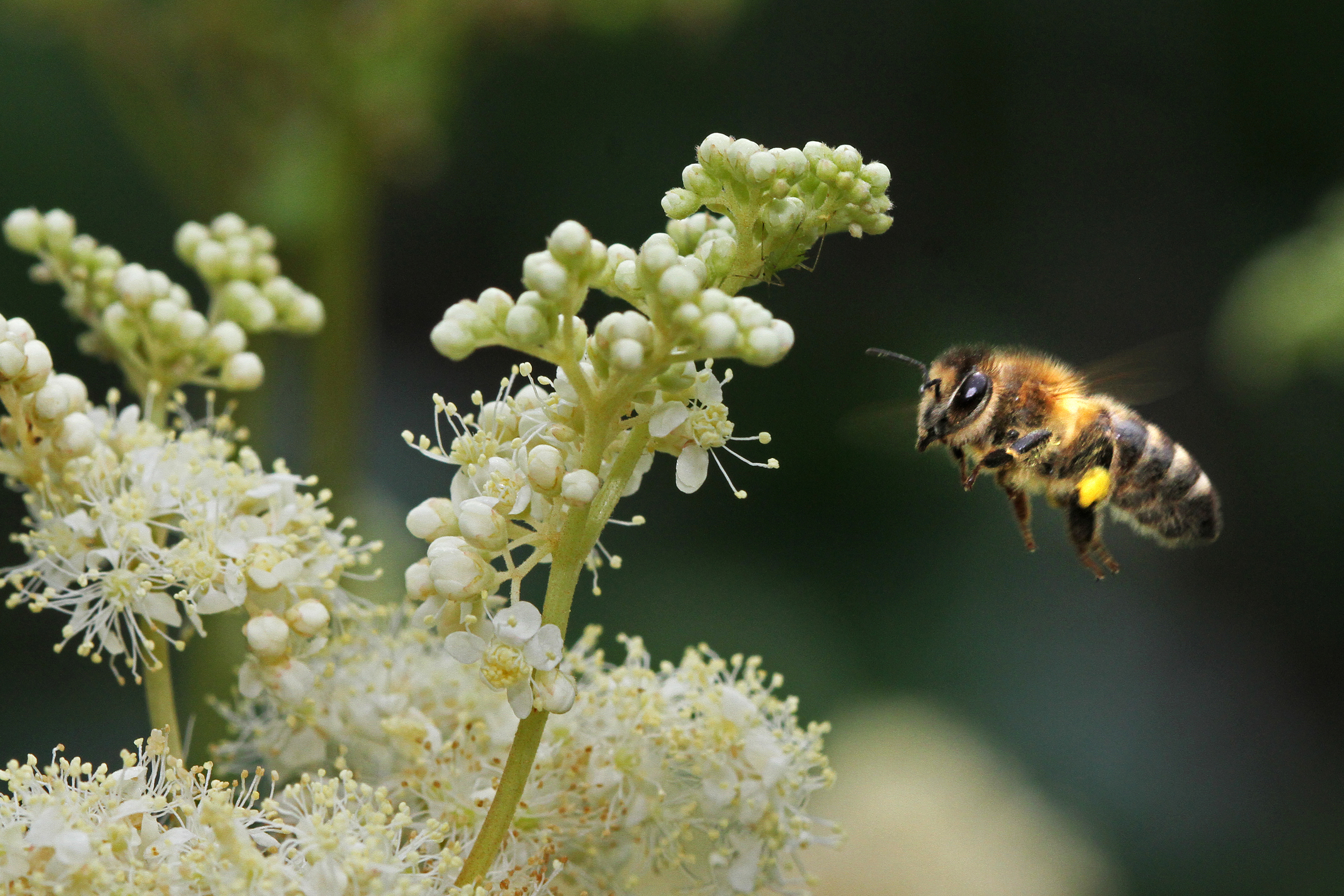
A bee approaching meadowsweet When there are many different species, they can support one another. For example, bees help pollinate flowers, and plants provide food for animals.

Westphalian Landrug Resources for the future: Many plants and animals are important for medicine or food. If we preserve biodiversity, future generations will also be able to use these resources.
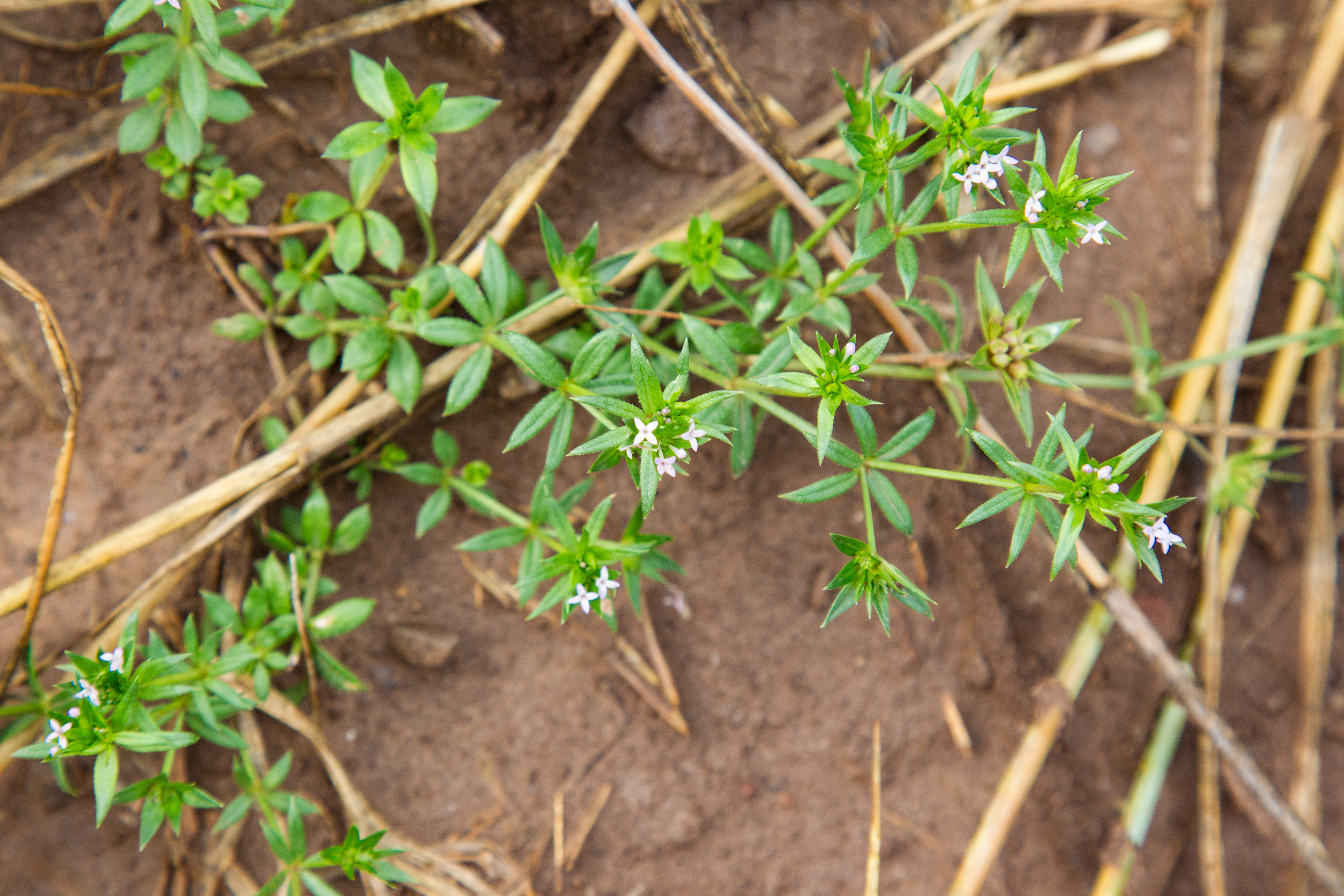
Field scab Perhaps a plant helps cure a disease, or an animal ensures that another part of the ecosystem functions properly.

Eckendorfer Mammuth (barley) Adaptability: A diverse mix of different species and varieties helps us adapt better to change.

Field Scarlet Poppy Protecting the earth: Every animal and every plant has a place in the ecosystem. By protecting biodiversity, we preserve a healthy planet.
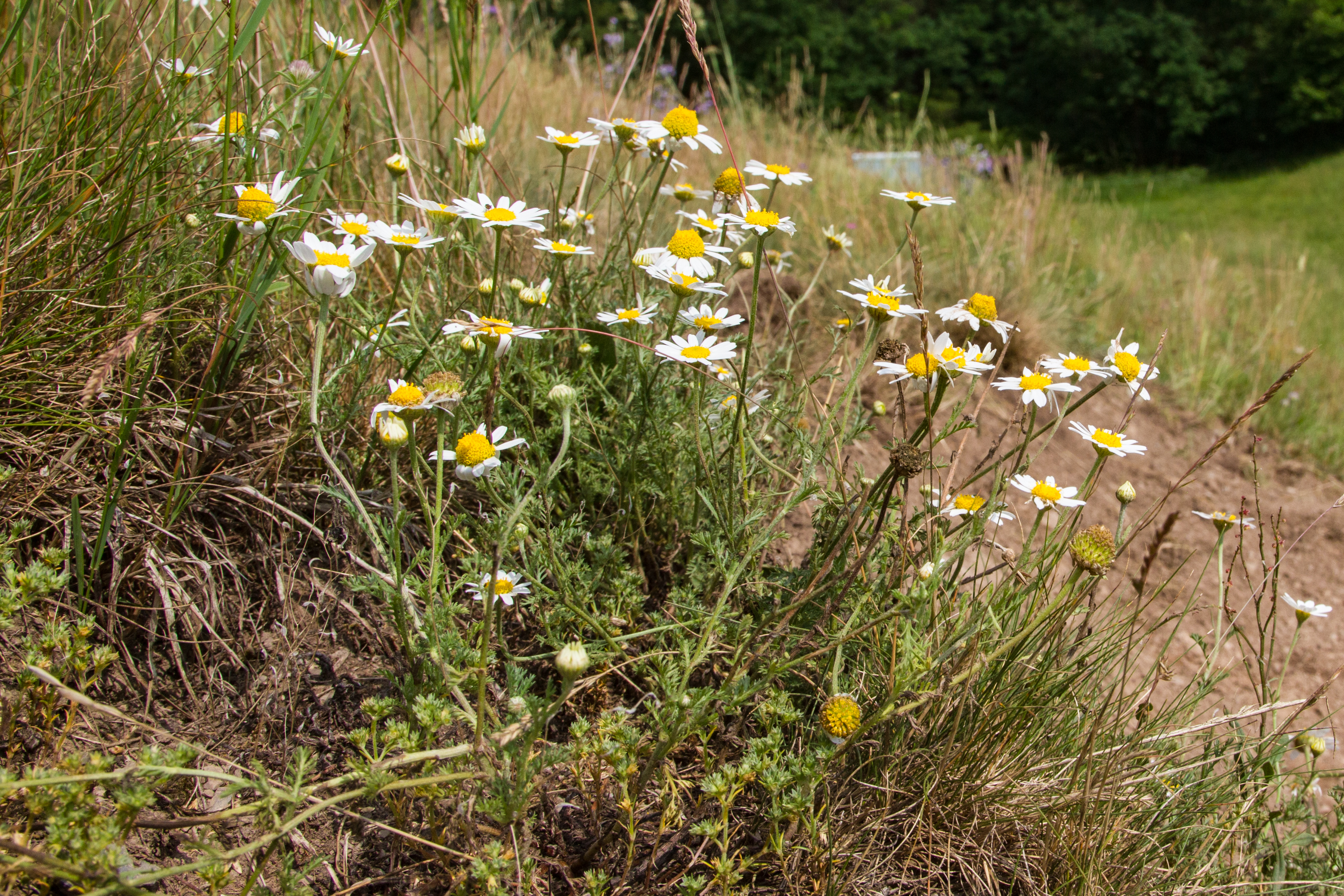
Field Chamomile Imagine a garden made up of just one type of flower. If those flowers get sick, the whole garden would lose its vitality. Different plants, animals, and insects help each other and ensure that everything stays in balance.
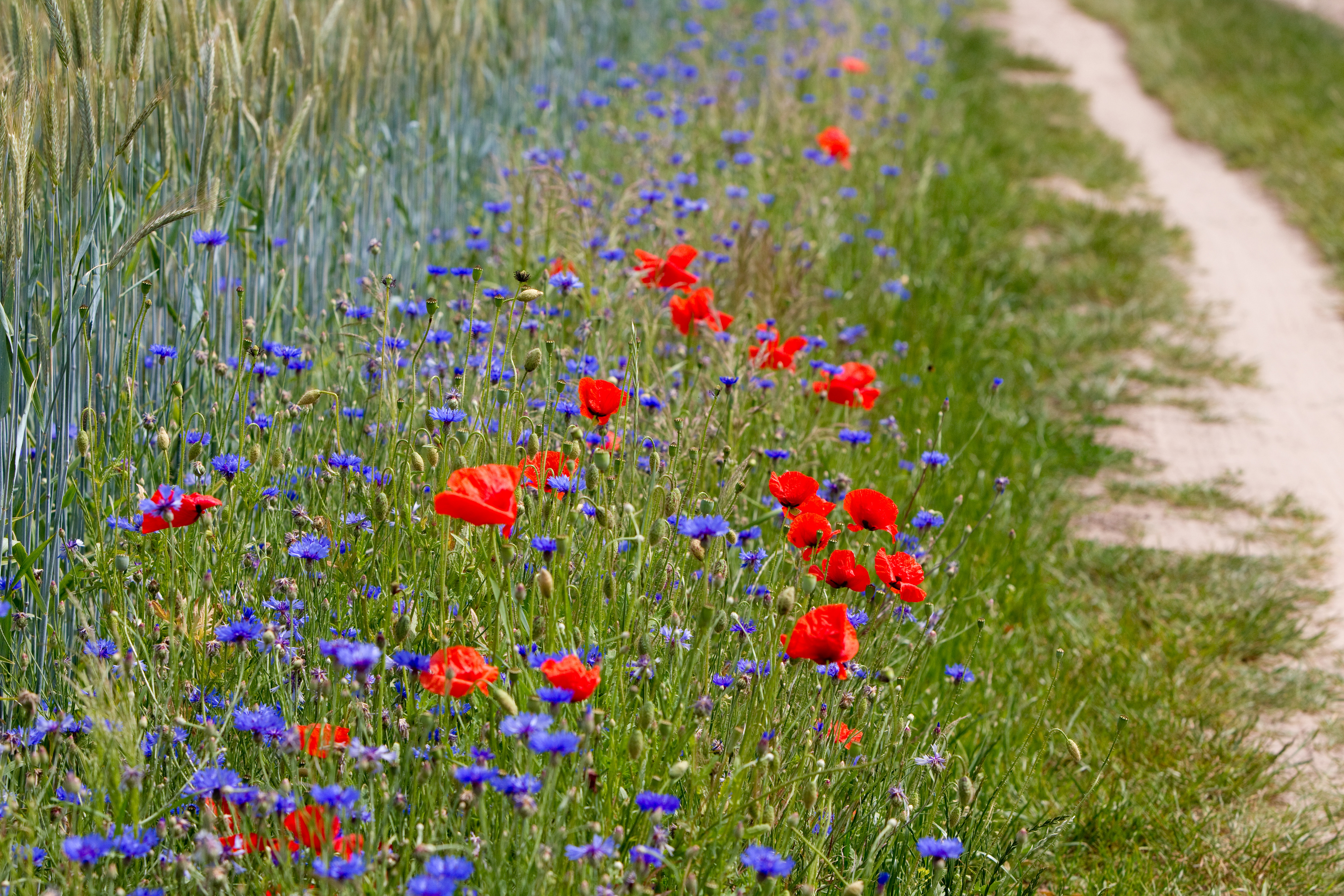
Field edge with poppies and cornflowers When we have a wide variety, different species can adapt better to new conditions. If one species can no longer cope, another species can step in and help.

Field Larkspur Many animals and plants are threatened with extinction. By protecting biodiversity, we are also protecting the planet: every living thing, whether a tiny insect or a towering tree, has its place and its importance in the ecosystem. By preserving biodiversity, we ensure that the Earth remains a beautiful and vibrant place for generations to come.